
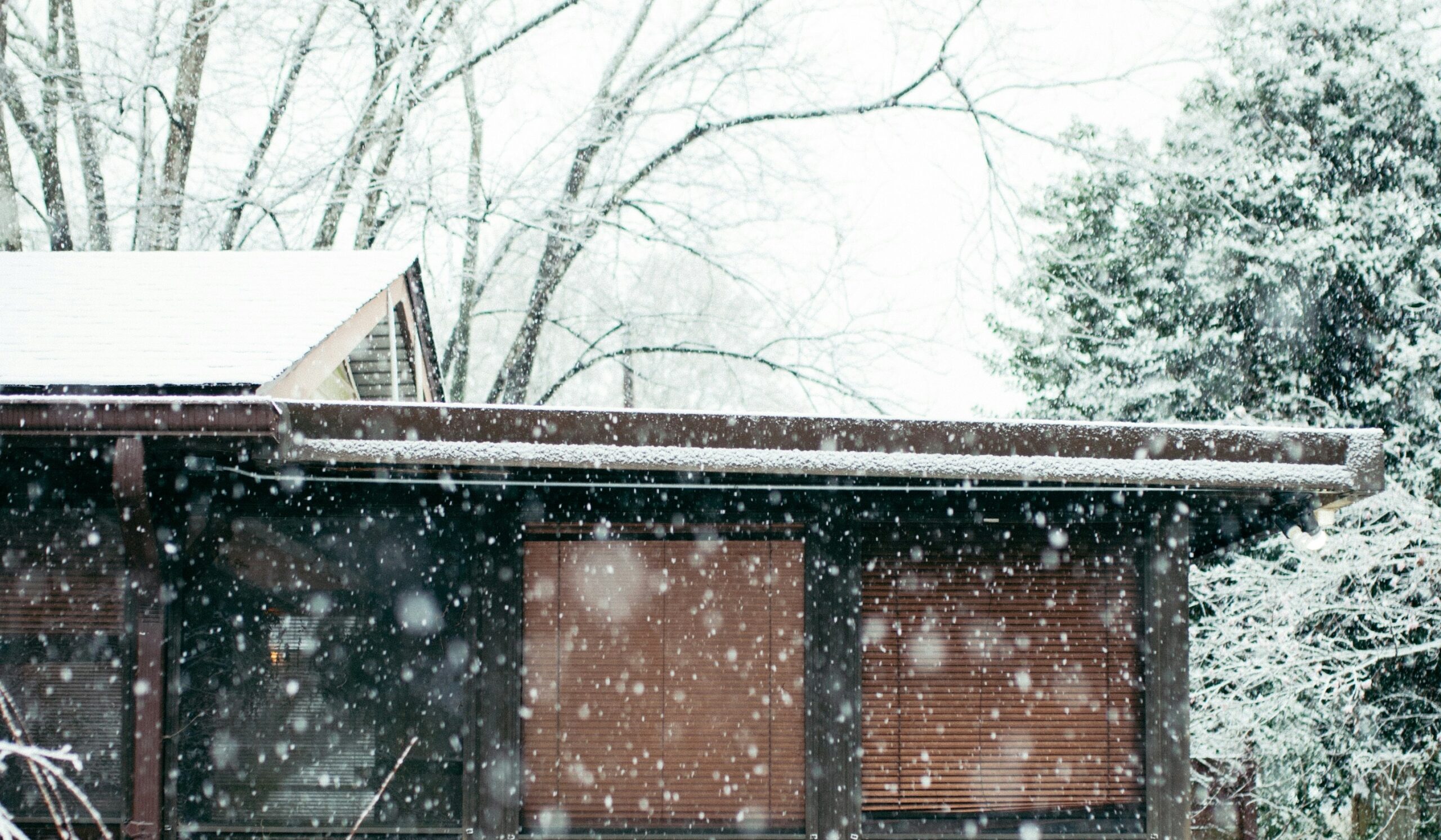
A Durham winter is mild by most standards and cold enough by its own. Freezing nights run from November into March, with a hard snap or two each year that the December 2002 ice storm still stands as the measure of. Staying warm through it is less about the thermostat than about the house and the equipment, and the steps that help range from free to a significant purchase. This post sorts five of them by what they cost, so you can start at the top of the list tonight and work down as far as makes sense for your home.
Free: seal the drafts and close the damper
The first step costs nothing but an evening. On a cold, windy night, walk the house with the back of your hand at the window frames, door sweeps, attic hatch, recessed lights, and pipe and wire penetrations, and mark every spot where you feel air moving. Each one is heated air leaving all night. Then close the fireplace damper if the fireplace is idle, since an open flue is the largest single leak in most homes, and close the foundation vents so cold air is not moving across the plumbing and ductwork under the floor. Keep supply vents open, and hold the thermostat at a steady, modest setting, because a heat pump asked for a large jump calls its expensive auxiliary strips to make it.
Under a hundred dollars: weatherstrip, insulate the pipes, and test the detectors
The second step turns the evening’s marks into fixes. Weatherstripping, door sweeps, foam gaskets behind the outlet covers on exterior walls, and caulk around penetrations take a weekend and close the leaks that make a house feel drafty at 68. Foam pipe insulation for exposed lines in the crawl space, garage, and attic costs little and protects against the split pipe a Triangle freeze finds in homes that never insulated for one; our post on preventing frozen pipes covers the full routine. And a fresh battery in every smoke and carbon monoxide detector, with any unit past the date on its back replaced, belongs in this tier because winter is when space heaters, fireplaces, and furnaces are all running at once in a closed house.
A service visit: have the heating system tuned
The third step is the one that matters most on the coldest nights, because the equipment is asked to do the most then. A heat pump that has had its fall tune-up has clean coils, a correct refrigerant charge, auxiliary heat strips that have been tested under load, and a defrost cycle that runs when it should, and it will hold the house on a 22-degree night without straining. A gas or oil furnace with clean burners and a sound heat exchanger heats safely and completely. If the fall visit did not happen, a heat pump or furnace check in December is the single appointment that most improves the odds of a warm house in January, and Happy Home Services members of the VIP Club have it on the calendar already.
A service visit: look at the crawl space and the ducts
The fourth step also costs a visit, and it addresses the floor, which is where a Piedmont house loses heat that people rarely think about. Many Durham homes sit over a crawl space with uninsulated ductwork and bare pipes on clay that stays damp, and in winter that space is a cold room under every floor in the house. Heated air leaking from a separated duct joint into a 40-degree crawl space is heat you paid for and never felt, and a technician can measure the loss and seal it. Where the crawl space stays wet, a sump pump keeps it drier, and dry air under the floor means warmer air above it. This is also where a household with allergies often finds that a musty crawl space is behind the winter air upstairs.
An investment: plan for the power going out
The last step is a purchase rather than a chore, and it is on the list because the coldest nights of a Triangle winter often arrive with the weather that takes power lines down. The 2002 ice storm left large parts of Durham dark for days, and no heat pump or furnace runs without electricity, so a house that started the night at 68 falls toward the outdoor temperature by morning. Happy Home does not install generators, and this step belongs on the list anyway, because for a home that loses power more than occasionally, a standby generator installed by a licensed electrical contractor is the difference between an inconvenience and an evacuation. Every home’s plan should at least cover where the flashlights and blankets are kept, which room holds heat best, and where a portable generator would run, well away from every window and door, because carbon monoxide from generators takes lives in every winter storm.
How much should you prepare?
The first two steps belong in every Durham home, because they cost almost nothing and work every night of the season. The third belongs in every home with a heating system, which is to say every home. The fourth depends on the house, and a technician can tell you in one visit whether the crawl space and ducts are costing you heat. The fifth depends on how often the lights go out. Worked through in order, the list tends to end with a warmer house on a heating system that is running less.
Happy Home has been Durham’s trusted heating and air experts since 1955. If the fall tune-up has not happened, or you would like the crawl space and the ductwork looked at before the first hard freeze, reach us 24/7 by phone or website chat. The technician will tell you plainly which steps would do the most for your house, with honest, upfront pricing with a 100% money-back guarantee, and leave the order to you.