
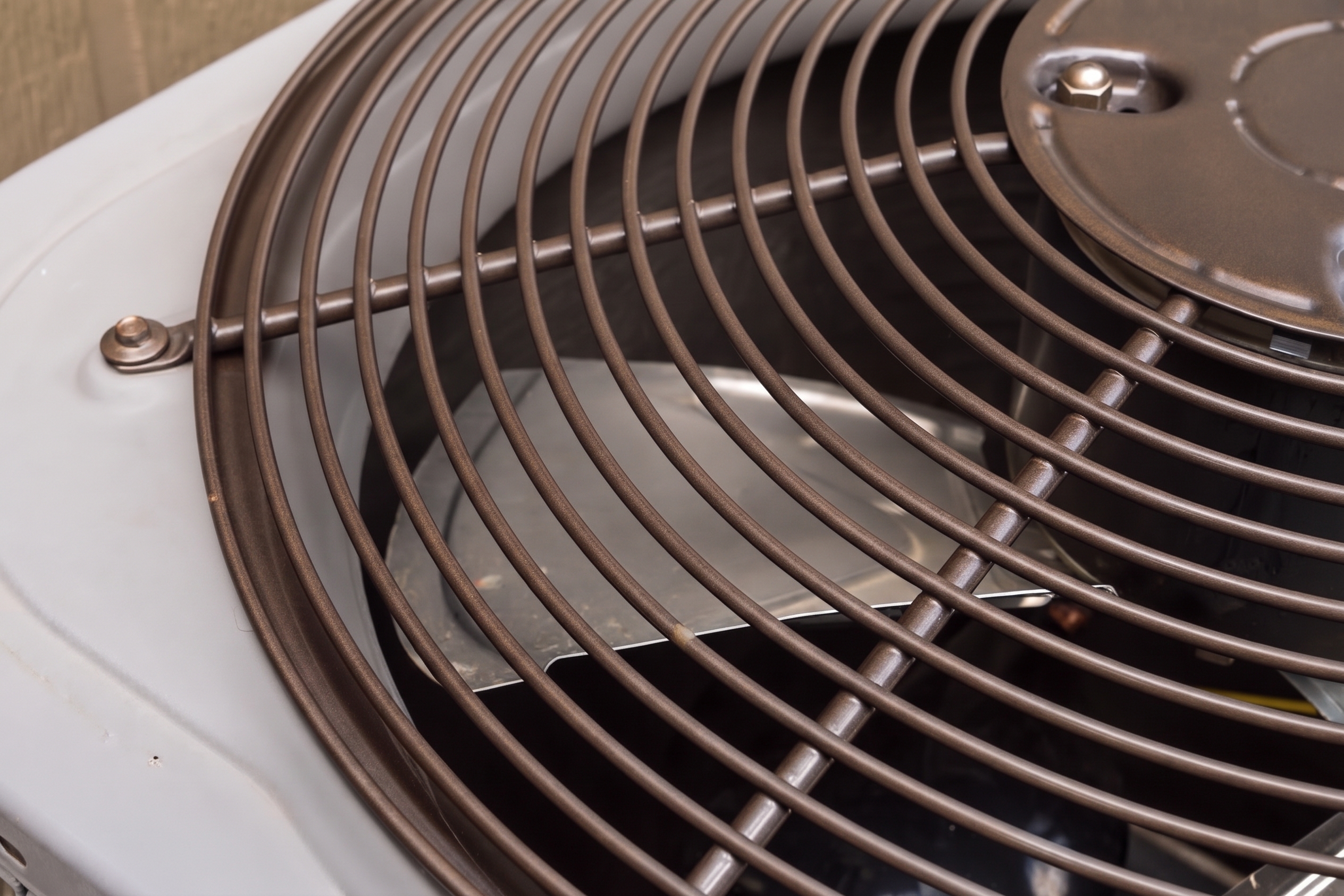
Not every air conditioning problem is an emergency, and knowing the difference saves you money in both directions. Calling after hours for something that could have waited costs more than it needed to. Waiting on something that could not costs a compressor, a ceiling, or, in a Durham heat wave, someone’s health. Here is how we sort them, and what to do while you wait.
Reach out right away
- A burning smell, a hot plastic smell, or smoke from any part of the system. Shut it off at the breaker first.
- A breaker that trips again after you reset it. It is protecting a circuit with a fault on it, and electrical faults in cooling equipment are a fire risk.
- Hissing or bubbling near the refrigerant lines, oily residue on the lines or around the outdoor unit, or ice on the lines on a hot day. Refrigerant is escaping, and a system running low on it destroys its compressor.
- Water coming through a ceiling below an attic air handler, or spreading across a floor from a closet unit. The equipment may need only a cleared drain, but every hour the water runs, the house absorbs it, and in our humidity mold follows within days.
- No cooling when the heat index is over 100, especially with an infant, an older adult, a pregnant woman, or anyone with a heart or breathing condition in the house. A closed Triangle house without cooling climbs into the upper 80s within hours.
- Grinding, banging, or screeching from either unit. A motor or fan is failing in a way that damages whatever is around it. Turn the system off until someone has seen it.
Reach out this week
- Air at the vents that is cool instead of cold on a normal day.
- A system that runs far longer than it used to for the same weather.
- A musty smell each time it starts up.
- The outdoor unit humming without the fan turning. That is a capacitor about to take the compressor with it, so turn the system off at the thermostat and let us know.
- Water sitting in the drain pan that has not overflowed yet.
All of these are small air conditioning repairs now which can become much larger ones in a few weeks, but all of them can be handled at a scheduled appointment rather than an emergency one.
Schedule it normally
A bedroom a couple of degrees warmer than the rest of the house, a power bill that has crept up, a thermostat that seems to read a degree off, or a filter you cannot remember changing are reasons to book a maintenance visit, not an emergency call. They are also the early forms of many of the problems above, which is the argument for a maintenance plan that finds them in spring.
Why we sort it this way
We would rather you not pay after-hours rates for something that could have waited until next week, and we would much rather you not lose a compressor or a ceiling by waiting on something that could not. Sorting calls into these three groups protects your budget in both directions, and it lets us get to the homes that need someone tonight.
While you wait
Once you have reached out, a few steps protect the house and the equipment. If you noticed an electrical smell, ice, or grinding, keep the system off. If water is the problem, leave the system off and clear the area under the leak. If the system is running normally but not cooling, it is fine to leave it on, but do not drop the thermostat to force it; the system cools at one rate regardless. Close the blinds, avoid the oven and dryer, and run ceiling fans. If the heat is dangerous for someone in the house, move to the coolest room, drink water, and consider whether a neighbor, a relative, or a public building with air conditioning is the better place to spend the afternoon.
How to reach us
Happy Home Services has been Durham’s trusted heating and air experts since 1955. You can reach us 24/7 by phone or website chat or schedule online, and every repair carries honest, upfront pricing with a 100% money-back guarantee. Members of the Happy Home Service VIP Club receive priority, same-day service, pay no overtime charges for after-hours or weekend calls, and receive up to 25 percent off repairs, which is a large part of why members tend to feel calmer when the heat wave arrives.