

Dry Winter Air in a Durham Home, Room by Room: Signs and Fixes
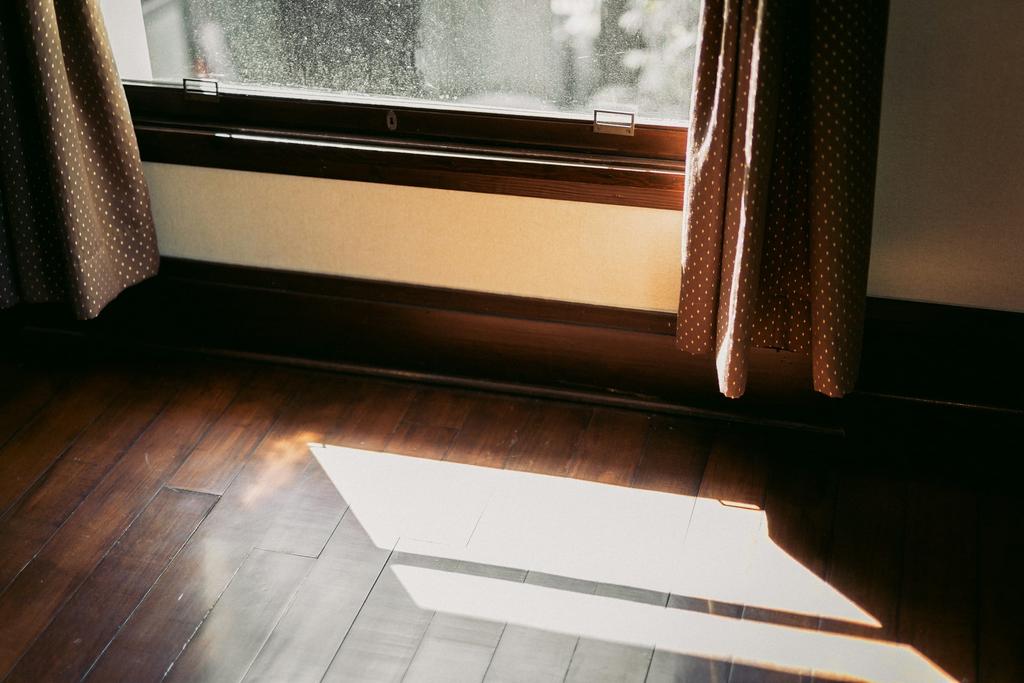
Dry winter air shows up in a different way in each room of a Durham home. In the living room it is the gaps opening between hardwood floorboards. In the bedroom it is static, dry throats, and a thermostat that keeps getting nudged up. At the windows it is the absence of any condensation on even the coldest mornings. In the office it is the shock from the doorknob and the piano drifting out of tune. The EPA recommends keeping indoor humidity between 30 and 50 percent, and a heated Durham home without humidity control spends long stretches of December through February below that line. The fix is sealing the leaks that let dry air in and adding moisture back with a humidifier that holds a set level.
Durham’s heating season runs from November into March, with January lows around 30 and several hard freezes, which is long enough for dry air to settle in for weeks rather than days. Here is where to look.
The Living Room
Hardwood floors and wood trim give up moisture to dry air. Boards shrink, gaps open between them, trim pulls away from the wall at the seams, and furniture joints loosen. The bungalows of Trinity Park, Watts-Hillandale, and Old West Durham have a century of heart pine and oak flooring that moves with every winter, and the gaps that open in January close again in July. A humidity reading in the 20s is the usual culprit, and holding the room near 40 percent keeps the wood far more stable.
The Bedroom
Dry air carries moisture off skin faster, so a bedroom at 68 degrees and 20 percent humidity feels colder than the same room at 40 percent, and the common response is turning the heat up, which costs more and dries the air further. Static builds as you cross the carpet. Many households sleep better and wake with less dryness when the air holds some moisture, and the bedroom is where the difference is felt first.
The Windows
In a home with normal winter humidity, the coldest mornings bring a little condensation to the bottom edge of single-pane or older double-pane windows. A winter with none at all, even at 20 degrees, means the indoor air is very dry. The windows are also the gauge for the opposite problem: fog or water on the glass on a cold morning means a humidifier is set higher than the outdoor temperature allows, and the setting should come down a few points until the cold passes.
The Office and the Music Room
Pianos, guitars, and other wood instruments drift out of tune and can crack as the wood dries. Books and paper curl. The shock from the doorknob and the metal desk is the daily reminder. Any room with instruments or valuable wood furniture is a case for holding humidity steady rather than letting it swing between seasons.
Why the Air Gets This Dry
Cold air holds very little moisture. When 28-degree air leaks into the house through gaps around doors, windows, the attic hatch, and the floor over the crawl space, and the heat warms it to 70, the small amount of moisture it carried is spread through much warmer air and the relative humidity collapses. The furnace or heat pump does not remove moisture. The infiltration does the drying, and the leakier the house, the drier it gets. A heat pump’s cooler supply air, warmer than the room but cooler than a furnace’s, feels drier still on skin, even though the humidity reading is the same.
Measure Before You Treat
A hygrometer costs little, and a smart thermostat that displays humidity shows the number in every season. Check a central room on a cold morning. Readings in the 20s are common in Durham homes in January, and anything under 30 percent means the air is affecting the wood and the people.
Seal the Leaks First
Because infiltration does the drying, sealing it is the first step and the one that also lowers the heating bill. Replace worn weatherstripping on exterior doors, caulk around window frames, add a gasket to the attic hatch, seal around pipe and wire penetrations in the floor over a crawl space, and cover the crawl space vents during freezes. Each closed gap keeps dry air out and heated, humidified air in.
Add Moisture With a Whole-Home Humidifier
A whole-home humidifier mounts on the ductwork at the air handler and adds moisture to the air as it circulates, so every room gets the same humidity rather than the one where a portable unit sits. A humidistat holds the level you set and backs off as outdoor temperatures drop, which prevents the window condensation above. Bypass and fan-powered models evaporate water from a panel that the warm supply air passes over. Steam models generate moisture on their own, which suits heat pump homes, where the supply air is cooler and a bypass unit evaporates less. All connect to a water line and drain and are serviced once a year, usually at the fall heating visit.
Getting Your Home Through the Dry Months
Happy Home Services has been Durham’s trusted heating and air experts since 1955, and our technicians look at the whole house, the leaks as well as the equipment, before recommending a humidifier, with honest, upfront pricing for the installation. Members of our Happy Home Service VIP Club get the humidifier serviced at their fall visit along with a reminder when it is due. Schedule online any time or reach our team through 24/7 website chat, and we will help you keep your home comfortable through the winter.
Frequently Asked Questions
How dry is too dry for hardwood floors?
Most flooring manufacturers specify indoor humidity between 35 and 55 percent for solid hardwood, and sustained readings below 30 percent open gaps and can cause cupping or cracking over several winters. Holding the house near 40 percent through the heating season keeps the boards stable. A hygrometer in the room with the most flooring is the way to know.
Can a whole-home humidifier work with a heat pump?
Yes, and the type matters. Bypass and fan-powered humidifiers rely on warm supply air to evaporate water, and a heat pump’s cooler supply air evaporates less, so output is lower. A steam humidifier generates its own moisture independent of the supply air temperature and is the usual recommendation for a heat pump home.
Why is my house dry even though it is a newer, tight home?
Even a tight house exchanges some air, and the ventilation systems in newer homes bring in outdoor air on purpose, which in winter is very dry. Newer homes also tend to have more hard flooring and less fabric to buffer humidity. A humidifier sized for the house’s air exchange rate holds the level regardless of how tight the house is.
What humidity setting should I use in winter?
Start at 35 to 40 percent and watch the windows on the coldest mornings. Condensation on the glass means the setting is too high for the outdoor temperature, so drop it a few points during a cold snap and raise it when the weather moderates. Many humidistats have an outdoor sensor that does this automatically.
Does a humidifier raise my heating bill?
Slightly, through the water it evaporates and a small fan on fan-powered or steam models, and it often lowers the bill overall because a room at 40 percent humidity feels warmer than a dry one at the same temperature, so the thermostat can sit a degree or two lower. The water use is a few gallons a day during the coldest weeks.