

Heating System Warning Signs Sorted by Urgency: Stop Now, Call This Week, or Plan for Spring?
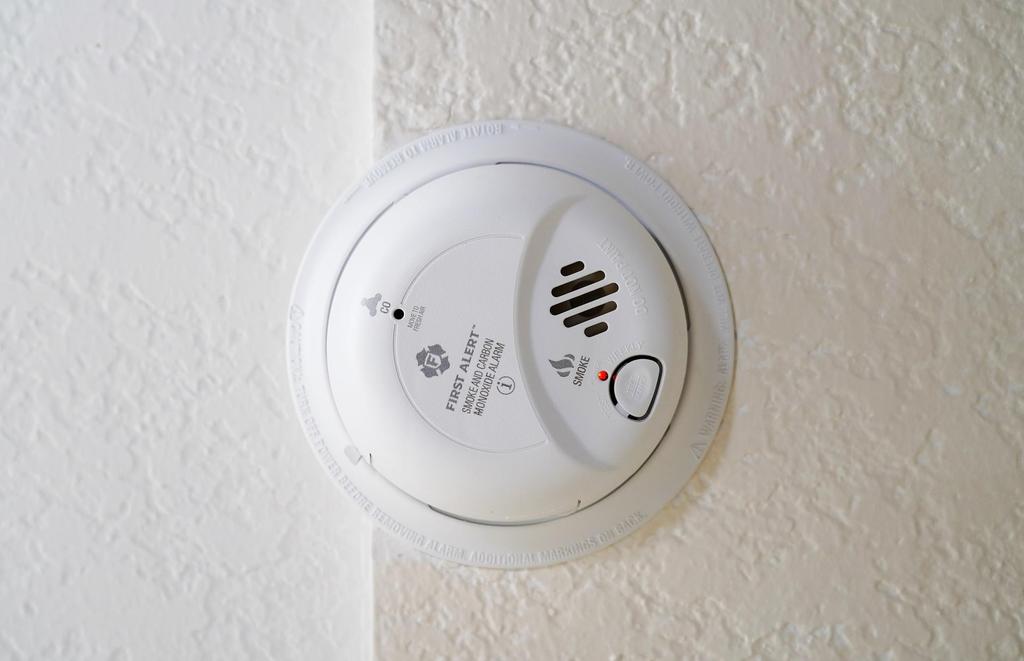
A heating system’s warning signs sort into three groups. Some mean shut the system off now: a gas smell, a carbon monoxide alarm, a burning electrical smell, or a bang at startup. Some mean call this week: a heat pump encased in ice, short cycling, new noises, a yellow furnace flame, or a bill that jumped with the first cold week. And some can wait for a planned visit: rooms that run a little uneven, a slightly longer runtime than last year, or a tune-up that is overdue. Sorting them correctly keeps a safety problem from waiting and keeps a minor one from becoming an emergency call on the coldest night of the year.
Durham’s heating season runs from November into March, longer and colder than most of the Carolinas, and the first hard freeze usually arrives in mid-November. Here is how to sort what your furnace or heat pump is telling you.
Stop Now
A rotten egg smell is the odorant added to natural gas. Leave the house, do not operate switches or phones indoors, and call the gas utility from outside before calling anyone else. A carbon monoxide alarm means everyone goes outside and someone calls 911 from the yard. A burning plastic or electrical smell, or visible smoke, means shutting the system off at the breaker. A boom or bang when a gas or oil furnace lights is delayed ignition, where fuel builds up before it catches, and the furnace should stay off until it is checked. None of these wait for a convenient day.
Call This Week
A heat pump covered in thick ice, or one that stays frozen for hours, has a failed defrost cycle, a low refrigerant charge, or blocked airflow, and the longer it runs that way the more strain the compressor takes. A furnace or heat pump that starts and stops every few minutes is short cycling, which on a furnace often means the heat exchanger is overheating because airflow is restricted and a safety switch is shutting it down. A system that never shuts off cannot keep up, which can mean low refrigerant, a failing component, or heat escaping through leaky ducts. New noises are information: squealing points to a belt or bearing, grinding to a motor, and rattling to a loose panel or duct.
A yellow or flickering flame on a gas furnace, instead of a steady blue one, means the burners are not getting the right mix of gas and air, which produces more carbon monoxide and soot. On an oil furnace, common in older homes across Orange and Alamance counties, soot around the burner or a smoky smell at startup means the burner needs cleaning and the nozzle may need replacing. And a heating bill that jumps with the first cold week while the thermostat stayed the same means the system is working harder for the same heat, which on a heat pump usually means the electric backup strips are running when they should not.
Plan for Spring, or the Next Visit
Rooms that run a degree or two uneven, a runtime that is a little longer than last winter, a filter that needs changing more often than it used to, or a tune-up that slipped past its date are signs the system deserves attention without the urgency. They are also the signs that turn into the call-this-week list if they are ignored for a season. A furnace tune-up or a heat pump check catches the dirty flame sensor, the weak capacitor, the low charge, or the defrost control that is beginning to fail while each is still a small repair.
Signs That Point to the Ducts Rather Than the Equipment
Older Durham homes, from the bungalows of Trinity Park and Watts-Hillandale to the mill houses of West and East Durham, often have ductwork that has settled, loosened, and leaked over decades. Rooms that will not warm up while the equipment runs normally, a dusty smell when the heat cycles on, and a bill that climbed without a change in the equipment all point to the ducts. Sealing and repairing them is often the fix the equipment side could never provide.
The Backup Heat Problem
Heat pumps are the most common heating system in the Triangle, and most include electric backup strips for the coldest nights. Running the strips costs several times what the heat pump costs per hour. A thermostat setting that triggers them too readily, a sensor fault, or a refrigerant problem that has cut the heat pump’s own output can keep them running through mild weather, and the first sign is the bill. If your thermostat shows Aux Heat on a 45-degree afternoon, that is a call-this-week sign.
Getting It Sorted
Happy Home Services has been Durham’s trusted heating and air experts since 1955, and our technicians trace a symptom to its cause rather than guessing, including the symptoms other companies could not pin down. Our technicians are background-checked, and the price is honest and upfront before any repair starts. Members of our Happy Home Service VIP Club receive priority scheduling when the first cold snap fills the calendar and pay no overtime charges for after-hours calls, which matters most on the stop-now list. Schedule online any time or reach our team through 24/7 website chat, and we will sort out what your heating system is telling you.
Frequently Asked Questions
What warning signs are specific to an oil furnace?
Soot around the burner or on the walls near registers, a smoky or oily smell at startup, a burner that rumbles or puffs when it lights, and higher oil use than the weather explains. Oil burns less cleanly than gas, so the burner, nozzle, and filter need annual cleaning, and a furnace that has skipped a year shows it in those signs.
Why does my furnace smell like burning dust every time it starts, not just the first time?
A dusty smell that returns on every cycle means dust is settling on the heat exchanger between cycles, which usually points to a dirty filter, leaky return ducts pulling in attic or crawl space dust, or a blower compartment that needs cleaning. The first-of-the-season smell is normal; the every-cycle version is a sign to check the filter and the returns.
How do I know if my heat exchanger is cracked?
You usually cannot tell from outside the furnace. Signs include a flame that flickers or changes when the blower starts, soot inside the cabinet, a carbon monoxide alarm, and water or rust near the exchanger. A technician inspects the exchanger directly during a tune-up, and a confirmed crack means the furnace should not run until it is repaired or replaced.
Why does my gas furnace short-cycle only on very cold nights?
On the coldest nights the furnace runs longer per cycle, and a restricted filter, a dirty blower, or a weak blower motor lets the heat exchanger overheat during those long runs until the high-limit switch shuts it down. Mild nights never push it that far. Restoring airflow usually solves it, and the limit switch itself should be checked.
What does it mean when the pilot light is yellow?
On an older furnace or water heater with a standing pilot, a yellow pilot flame instead of a sharp blue one means the pilot is not getting enough air, usually from dust in the pilot assembly, and it can produce carbon monoxide and fail to light the main burner reliably. Cleaning the pilot assembly is a routine part of a tune-up.