

Hidden Water Leaks in North Carolina Homes: Under the Slab, in the Crawl Space, and in the Walls
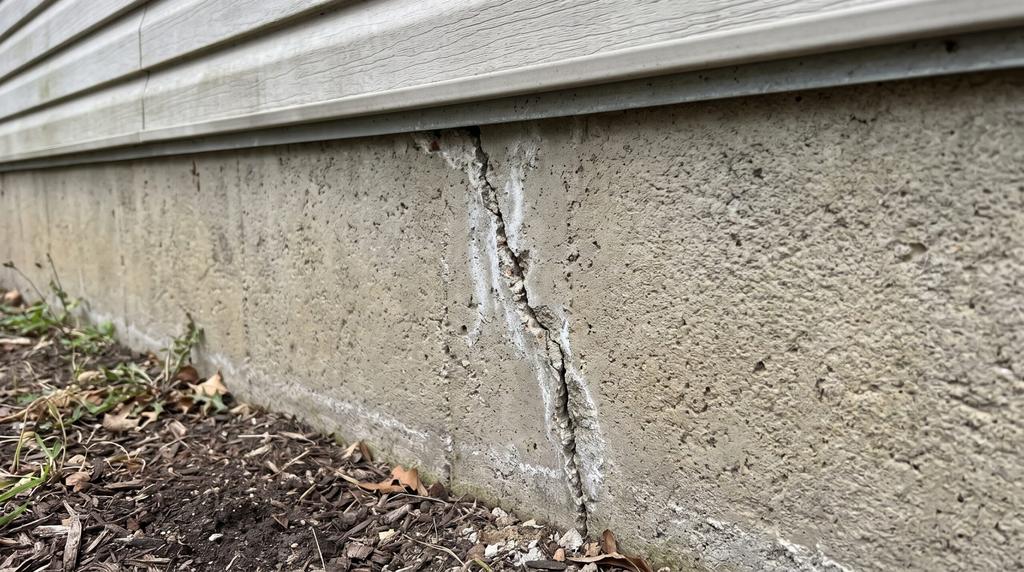
Hidden water leaks in Durham homes live in three places. Under the slab, where a supply line cast into the concrete of a newer home in southern Durham or Hope Valley develops a pinhole and runs for months with no visible sign but a warm spot on the floor. In the crawl space, where a supply line or drain under an older home in Trinity Park or Watts-Hillandale drips onto the soil and feeds mold and rot nobody sees until the floor softens. And inside the walls, where a fitting weeps behind drywall and announces itself as a stain weeks later. Each location has its own signs, the same two-hour meter test confirms all of them, and leak detection locates them without tearing into floors, walls, or the yard on a guess.
The EPA estimates that household leaks waste nearly 10,000 gallons of water a year in an average home, and the hidden ones account for a large share of that because no one sees them to fix them.
The Meter Test That Confirms Any of Them
Turn off every faucet, appliance, and irrigation zone and confirm no toilet is running. Read the water meter in its box near the street, and note whether its small flow indicator is spinning with everything off. Leave the water off for two hours, then take a second reading. A changed number is a leak. Then close the main shutoff valve inside the house and repeat. If the meter still moves, the leak is in the service line between the meter and the house. If it stops, the leak is inside, and the three locations below are where to look.
Under the Slab
Homes built on slabs run their supply lines under or inside the concrete, and over years the copper or the fittings develop pinholes, especially where the pipe passes through the slab or rubs against gravel as the soil shifts. The signs are a warm spot on a tile or hardwood floor from a hot water line, the sound of running water with every fixture off, a drop in pressure, a hairline crack in the slab or the flooring, and a water heater that runs more than it used to because the hot line is bleeding into the ground. Cold water slab leaks show no warm spot and are found by the meter test and the sound. Acoustic detection and pressure isolation locate a slab leak to within a foot or two, and the repair is a single opening in the floor or a reroute of the line through the walls or attic rather than a trench across the house.
In the Crawl Space
Most of Durham’s older homes sit over a crawl space, and the supply and drain lines under the floor are out of sight for years at a time. A supply line drip wets the soil and the underside of the floor and shows up as a musty smell at floor registers, a floor that feels soft or cold in one spot, mold on the joists, or insulation that sags. A drain line leak does not move the meter, so it is found by smell and by looking. Red clay holds water, so a crawl space leak pools and stays damp rather than draining away, which is why mold follows within weeks in the Triangle’s humidity. A flashlight and a careful walk of the crawl space after the meter test often finds a supply leak, and a camera inspection finds a drain leak.
In the Walls
A fitting that weeps behind drywall, a shower valve that leaks into the wall cavity, or a supply line nicked by a nail during a renovation produces a stain on a wall or ceiling, paint that bubbles, baseboards that swell, or mildew that returns after cleaning. The stain is usually below and to the side of the leak, since water travels along framing before it soaks through. Thermal imaging shows the wet path behind the surface, and the opening for the repair follows the imaging rather than guesswork.
The Service Line Between the Meter and the House
When the meter moves with the house valve closed, the leak is in the yard, and in most Triangle jurisdictions that line is the homeowner’s responsibility. In Durham’s clay, the water pools, so the sign is a soft, green patch along the line’s path or water in the meter box when it has not rained. Water line leak detection pinpoints the spot so the repair is one hole instead of a trench.
Toilets First, Always
Before any of the above, test every toilet with a few drops of food coloring in the tank and fifteen minutes of waiting. Color in the bowl means a flapper is leaking around the clock, and a leaking flapper explains more high water bills than every slab leak in the county combined. The repair takes minutes.
Why Speed Matters
Wasted water is the smallest cost. Water escaping under a slab washes away the soil that supports it. Water in a crawl space rots joists and feeds mold within weeks in the Triangle’s humidity. Water in a wall soaks insulation and drywall. Finding a leak early means a pipe repair. Finding it late means a pipe repair plus a floor, a wall, and whatever grew in between.
Getting the Leak Found and Fixed
Happy Home Services has been Durham’s trusted heating and air experts since 1955, and our plumbers locate a leak before anyone opens a floor, a wall, or a lawn, with honest, upfront pricing for the repair once the location is known. Leak detection uses acoustic listening, thermal imaging, and pressure isolation, and the leaks another company could not find are the ones we are called about most. Schedule online any time or reach our team through 24/7 website chat, and we will find the problem before it gets expensive.
Frequently Asked Questions
How common are slab leaks in Durham?
Common enough that any slab-built home more than 20 years old should take a warm floor spot or an unexplained meter reading seriously. Copper lines under slabs develop pinholes as they age, and the Triangle’s clay soil shifts with wet and dry seasons, which stresses the pipe where it enters the slab. Newer homes with PEX supply lines see far fewer.
Can leak detection find a leak in a crawl space without crawling the whole space?
Acoustic equipment and pressure isolation narrow a supply leak to a section of line before anyone goes under the house, and thermal imaging from the floor above shows a wet area through the subfloor. The plumber still confirms by eye, but the search is targeted rather than a full crawl.
Does a leaking water heater count as a hidden leak?
It can. A tank that weeps from a fitting or a hairline crack onto a drain pan or a concrete floor evaporates in a warm closet and leaves only a rust line, and a tank in an attic drips into the pan and down the drain line unnoticed. A tank past ten years with any rust at the fittings or the base is a candidate for the same two-hour meter test.
What should I do first after the meter test confirms a leak?
Check the toilets with the food coloring test, since a flapper is the most common cause and the quickest fix. Then close the house valve and repeat the meter test to learn whether the leak is inside or in the yard. If it is inside and nothing visible explains it, schedule leak detection before anything is opened.
Will a slab leak repair damage my floors?
The goal of detection is to make the opening small and in the right place, which usually means one tile or a small section of flooring over the leak. Where the line runs under finished flooring across the house, a reroute through the walls or attic avoids the floor entirely and abandons the failed line in place. The plumber lays out both options before any cutting.