
When you closed on the house, you took on a set of systems that used to be someone else’s responsibility, and usually you aren’t handed a manual. This post is our effort to provide one for a Triangle home. It covers each major system, what it needs from you and from a professional, and the few things to find in your first week.
Five things to find this week
- The main water shutoff. In many Durham homes it is in the crawl space or at the meter. Turn it once to confirm it moves.
- The breaker panel, and whether the labels make sense.
- The gas shutoff at the meter, if you have gas service, or the oil tank and its shutoff if you have oil heat.
- The air filter, which may be in a return grille or in the air handler itself. Note its size.
- The water heater’s label, and the manufacture date on it.
Heating and cooling
This is the largest system you own and the one that works hardest in the Triangle, cooling from April into October and heating on the cold nights in between. Homes here use heat pumps, furnaces with a separate air conditioner, gas packs, or dual fuel systems. Your part is the filter, checked monthly and changed every one to three months, and the outdoor unit, kept clear and rinsed after pollen season. Our part is a spring cooling tune-up and a fall heating tune-up covering the coils, the refrigerant charge, the electrical parts under load, the condensate drain, and on gas or oil equipment the heat exchanger and burner. Those two visits are what manufacturer warranties typically require, and they are what carries a Triangle system to 15 years rather than 10.
Plumbing
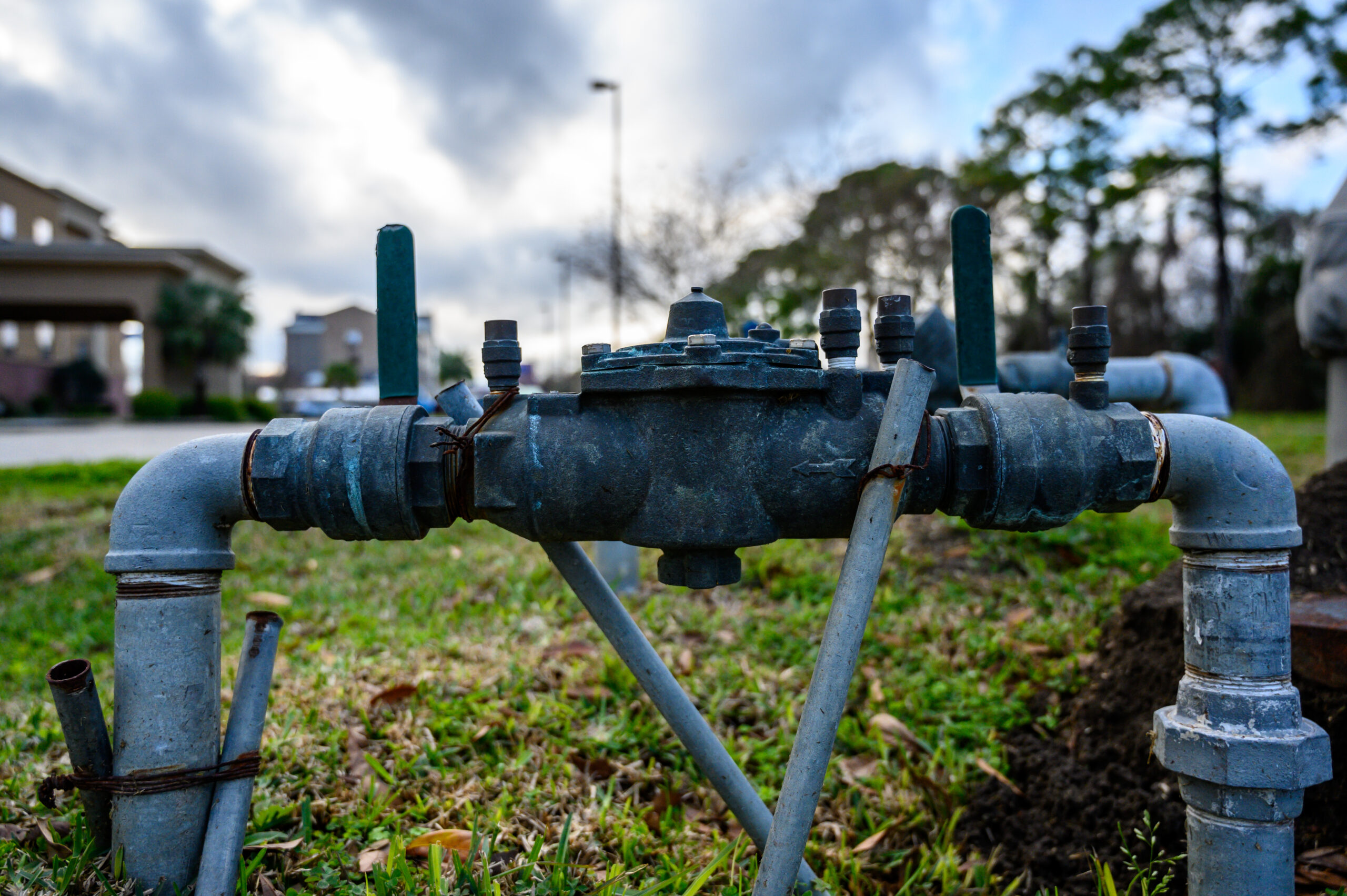
Plumbing needs the most attention from you at two points in the year. In fall, disconnect the hoses, cover the spigots, shut down the irrigation, and wrap any exposed pipe in the crawl space or garage, because Durham’s freezing nights run from November into March. Before the holidays, have any slow drain cleared, and all year keep grease out of the kitchen sink and wipes out of the toilets. Watch the water bill for a jump, which is the first sign of a hidden leak. Our part is a yearly inspection of pressure, supply lines, valves, drains, and the crawl space, plus anything involving gas lines or the sewer line. The plumbing services page covers the full range.
The water heater
The water heater earns its own section because it gives little warning and new homeowners tend to know the least about it. Tank heaters last 8 to 12 years; tankless units run about 20. Your part is knowing its age, flushing a few gallons of sediment from the drain valve once a year, and watching its base for moisture. Our part is the anode rod that protects the tank from corrosion, the relief valve, and a plain answer about when replacing it on your schedule beats waiting for it to fail. If the heater sits in a crawl space or attic, as many Triangle water heaters do, its age matters more, because its failure will not be quiet. Our water heater maintenance page covers what we check.
The well, if you have one
If your home is outside a municipal water system, you own a small water utility: a pump, a pressure tank, a pressure switch, and often a softener or treatment system for the iron and minerals common in Piedmont wells. A pump that clicks on and off rapidly, pressure that surges and fades, or a change in the water’s color or taste are signals. Our part is a yearly check of the pump, tank, and switch, and the well pump page explains what is involved. Remember that a well pump stops when the power does, so an outage means no water until it returns.
Indoor air
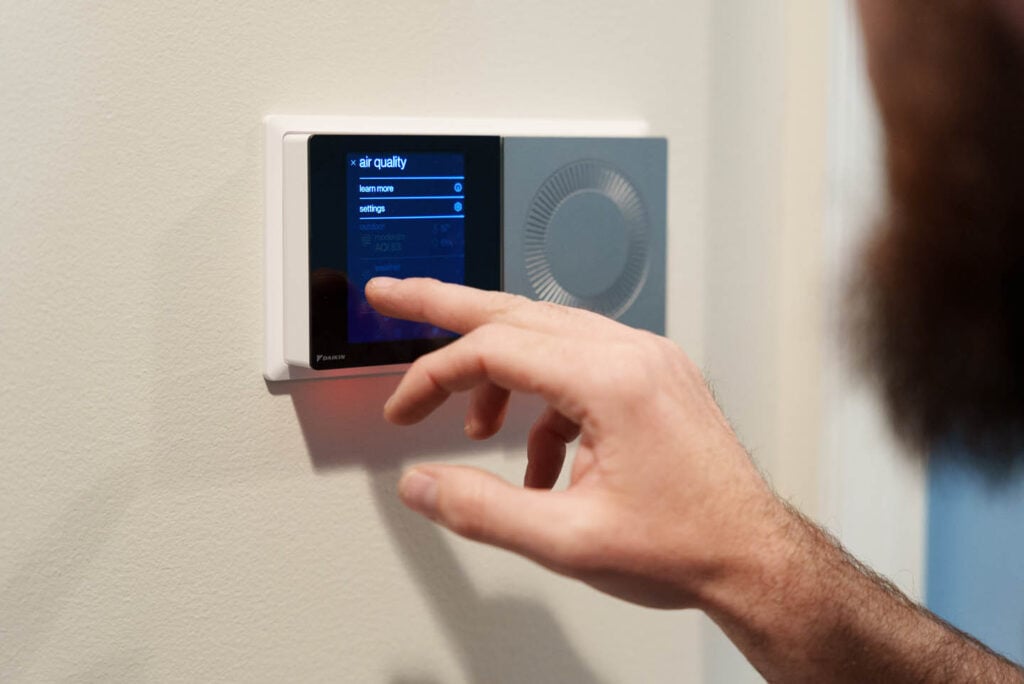
Triangle humidity and pollen make indoor air a maintenance topic. The filter and the condensate drain are the first line. Ducts running through a damp crawl space carry that moisture upstairs, so a musty crawl space becomes an air problem in the bedrooms. Your part is the filter, the detectors, and a yearly look under the house. Our part is duct cleaning when it is due, and whole-home solutions such as dehumidifiers and air purifiers where a house needs them. Test smoke and carbon monoxide detectors twice a year and replace them when they pass the date on the back.
Records, warranties, and a budget
Keep a folder with the manufacture dates of each system, every service receipt, and the warranty terms. Equipment warranties often run ten years on parts but require documented maintenance, and the folder is what makes a claim possible. The same folder is the basis for a budget: knowing the water heater is nine years old and the heat pump is twelve tells you which replacement is coming first and how much to set aside for it.
Where the line falls
Your side of the line holds the filters, hoses, covers, settings, detectors, and the looking. Ours holds refrigerant, gas, oil burners, high voltage, the heat exchanger, the sewer line, the well pump, and anything that needs test equipment. A homeowner who handles the first list and schedules the second twice a year spends less on the house over a decade, and worries less along the way.
Get a baseline
Happy Home Services has been Durham’s trusted heating and air experts since 1955. The best first step for a new homeowner is a baseline visit that documents the age and condition of the heating, cooling, and plumbing systems. You can schedule online or reach us 24/7 by phone or website chat, and every visit comes with honest, upfront pricing with a 100% money-back guarantee. Ask about the Happy Home Service VIP Club, which sends service reminders and puts the professional half of this guide on a schedule so you only have to manage your half.