

HVAC Efficiency in North Carolina: Why Each Season Counts and What to Do
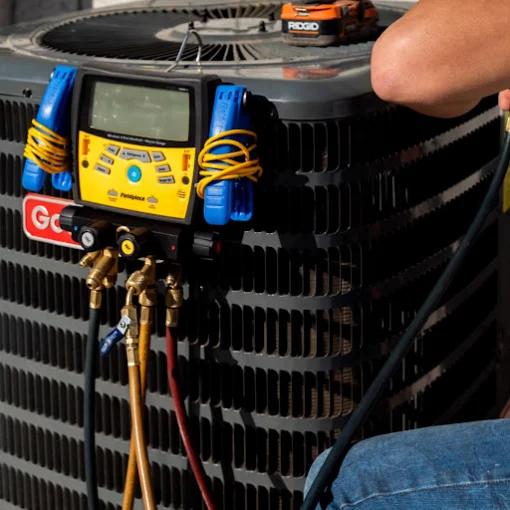
Improving HVAC efficiency in Durham means two plans, because the Triangle has two full seasons. The air conditioner runs from late May through September, and the furnace or heat pump runs from November into March, with January lows around 30 and several hard freezes most years.
The winter plan is about keeping backup heat strips off, keeping combustion clean, and keeping heated air inside. The summer plan is about clean coils, long cycles, and humidity. A few things carry over: sealed ducts, a thermostat on a schedule, and a filter changed on time. Done together, they lower both halves of the bill without giving up comfort.
Durham sits in a climate zone with substantial heating and cooling loads, which is why a home here feels both the cost of a thin attic in January and the cost of a dirty coil in July.
The Winter Plan
Keep the backup strips off. Heat pumps are the most common heating system in the Triangle, and their electric backup strips cost several times more per hour than the heat pump itself. A thermostat set up with the right balance point and backup lockout runs the strips only on the few nights that need them, while a poorly configured one calls for them every time the setting moves two degrees. Raise the setting one degree at a time in winter instead of jumping five.
Keep combustion clean. On a gas or oil furnace, dirty burners, a dirty flame sensor, and a clogged filter all raise fuel use without raising comfort, and a furnace tune-up before the season restores what a year of use took away. The same visit checks the heat exchanger and venting, which is the safety half of the job.
Keep the heat inside. Weatherstripping on exterior doors, caulk around windows, a gasket on the attic hatch, and foam covers on crawl space vents during freezes cut the infiltration that drives both heat loss and dry air. Attic insulation in the R-38 to R-60 range ENERGY STAR recommends for this climate zone slows the heat rising through the ceiling, and many of Durham’s older homes have far less. Insulation is a separate contractor’s work, but a technician can tell you whether your runtime points to the attic.
The Summer Plan
Keep the coils clean. The outdoor coil sheds the heat the system pulled from the house, and a layer of pollen and grass clippings keeps it from doing that, so the compressor runs longer and hotter for the same cooling. The indoor coil absorbs heat from your air, and dust that got past the filter insulates it. An AC tune-up before the first hot week cleans both and checks the refrigerant charge and the drain.
Favor long cycles. A system that runs long, steady cycles removes humidity and uses less energy per hour of comfort than one that starts and stops. A thermostat fan set to Auto, registers left open, and a correctly sized system all support that. An oversized air conditioner, common in homes where the replacement was sized from the old nameplate, is the biggest summer efficiency loss in many Durham houses, and a load calculation at the next replacement is the fix.
Control humidity. A house at 76 degrees and 50 percent humidity feels better than one at 73 and 65 percent and costs less to hold. If the air conditioner cannot keep the house below 55 percent, a whole-home dehumidifier does it directly and lets the thermostat come up a few degrees.
What Carries Over
Seal the ducts. ENERGY STAR estimates that 20 to 30 percent of the air moving through a typical duct system is lost through leaks and poor connections, and in a Durham attic or crawl space those leaks cost you in both seasons. A duct inspection finds the losses, and sealing and repairing them is one of the few improvements that pays twice a year.
Run the thermostat on a schedule. The U.S. Department of Energy reports that a setback of 7 to 10 degrees for eight hours a day saves as much as 10 percent a year on heating and cooling. A smart thermostat makes the schedule automatic in both seasons and manages the heat pump’s backup strips in winter.
Change the filter on time. A clogged filter costs airflow in both seasons, which means a frozen coil in July and an overheating furnace in January.
Consider zoning. A two-story Durham home with one thermostat heats the upstairs more than it needs in winter and cools the downstairs more than it needs in summer. An HVAC zoning system directs the air where it is needed in each season, and the hours saved add up across both.
Replace What Maintenance Cannot Save
A system past 15 years has lost efficiency no tune-up restores, and equipment built today must meet standards well above those in force when it was installed. A replacement sized from a load calculation, with two-stage or variable-speed operation, uses less energy in both seasons and controls humidity better, and financing options are available. Our technicians will tell you plainly whether your system is a maintenance case or a replacement case, with honest, upfront pricing either way.
Getting Both Seasons Right
Happy Home Services has been Durham’s trusted heating and air experts since 1955, and members of our Happy Home Service VIP Club get the spring and fall visits that keep both plans on schedule, with service reminders so neither one slips. Schedule online any time or reach our team through 24/7 website chat, and we will help you get more comfort out of every season.