

Insulation and HVAC in Durham’s Older Homes: Walls, Attics, and Crawl Spaces
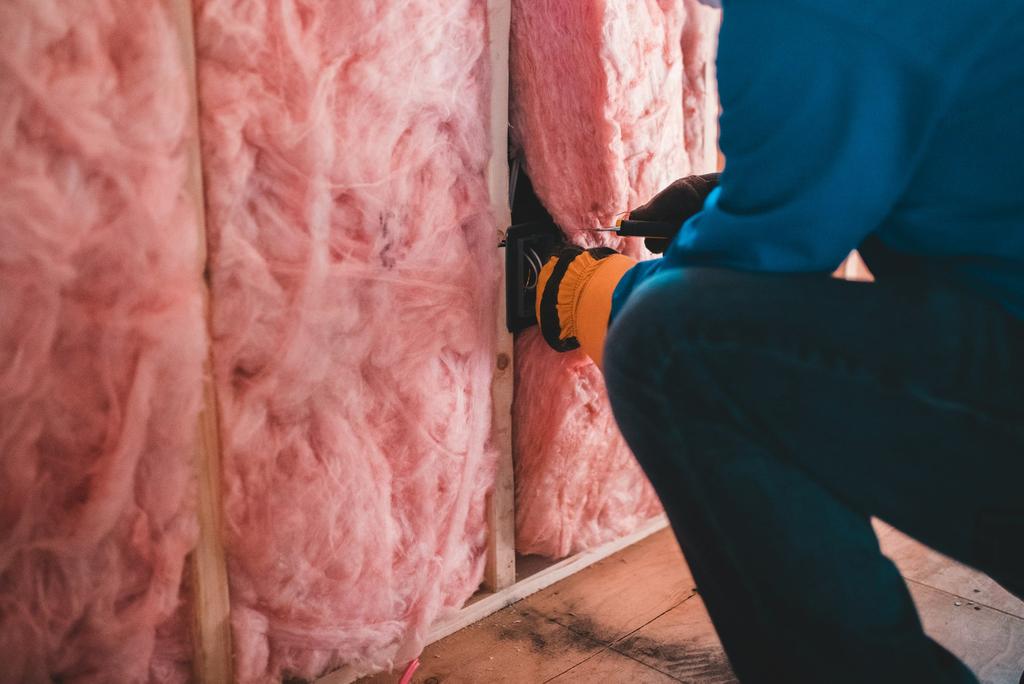
Insulation slows the movement of heat through a home’s ceilings, walls, and floors, and the amount and condition of it decides how long the furnace and air conditioner have to run to hold a temperature. Durham’s older homes, from the 1920s bungalows of Trinity Park and Old West Durham to the 1950s and 1960s ranches of Hope Valley and Forest Hills, were often built with little insulation in the walls, a thin layer in the attic that has settled over decades, and a vented crawl space below. Durham sits in a climate zone with a full winter and a full summer, so a thin attic costs you in January and in July. Each of those factors affects the HVAC system in its own way and knowing which problem is which saves money on both sides.
The Attic
Heat rises in winter and radiates down from a hot roof in summer, and the attic floor’s insulation is what slows both. Insulation is rated by R-value, a measure of resistance to heat flow that adds up with thickness, and ENERGY STAR recommends attic insulation between R-38 and R-60 for the climate zone that includes Durham. Many older homes here have a few inches of settled material worth a fraction of that. The attic is also the most cost-effective place to add insulation in an existing home, because it is accessible while wall cavities are sealed behind plaster or drywall. Fiberglass batts, rated near R-3 per inch, can go down in a new layer on top of the existing material. Blown cellulose fills irregular spaces more completely. Spray foam seals air leaks as it insulates at the highest cost per inch.
The Walls
Homes built before the 1960s often have no insulation in the walls at all, and plaster-and-lath construction makes adding it a job for an insulation contractor with the equipment to blow dense-pack cellulose into the cavities through small holes. Uninsulated walls are the reason an older Durham home feels drafty near exterior walls in winter and warm on the sunny side in summer even when the thermostat is satisfied. Air sealing around windows, doors, outlets on exterior walls, and the baseboards reduces the infiltration that empty walls allow, and that work is within reach for most homeowners.
The Crawl Space
Most of Durham’s older homes sit over a vented crawl space, and in the Triangle’s climate that space works against the house in both seasons. In winter, cold air under the floor pulls heat out of the rooms above and the floors feel cold. In summer, humid air pours in through the vents, condenses on cool ductwork and floor joists, wets the floor insulation until it sags and loses its value, and rises into the house through gaps around pipes and wiring. Red clay holds water, so a crawl space here stays damp long after a rain, and mold on the framing follows within weeks of a wet summer.
Sealing the crawl space with a vapor barrier and closed vents, called encapsulation, is work for a separate contractor. A whole-home dehumidifier sized for the crawl space controls the moisture directly, protects the ductwork running through it, and keeps the musty air out of the house, whether or not the space is encapsulated.
The Ductwork Running Through All of It
Ducts in an uninsulated attic or a damp crawl space are the place where the insulation problem and the HVAC problem meet. Supply ducts in a 120-degree attic warm the cooled air before it reaches the rooms, and return ducts with open joints pull hot attic air or damp crawl space air into the system. ENERGY STAR estimates that a typical duct system loses 20 to 30 percent of its air through leaks and poor connections, and in an older home’s ductwork the share is often higher. Sealing and insulating the ducts, and repairing or replacing sections that have pulled apart, is HVAC work, and a duct inspection shows what the system is losing before any insulation decision is made.
How Insulation Changes What the System Has to Do
A system is sized to match the heat gain and loss of the house as it stands. Add attic insulation, seal the walls, and close up the crawl space, and the load drops. The system reaches the setpoint faster, runs fewer hours, and in summer removes humidity during longer, steadier cycles. If the equipment is replaced after those improvements, the load calculation often calls for smaller equipment than the old unit, which lowers the replacement cost. Many older Durham homes have an oversized system that was installed to overpower a leaky house, and the house would be more comfortable with less equipment and more insulation.
Signs the Envelope Is Part of the Problem
- Rooms directly under the attic are the hottest in summer and coldest in winter.
- Floors feel cold in winter over the crawl space.
- Exterior walls feel cold to the touch in January or warm in July.
- The system runs late into the evening on days the thermostat never changed.
- Floor registers or rooms over the crawl space give off a musty smell.
- Heating bills in a Durham winter are higher than similar homes in your neighborhood report.
Sorting Out Which Fix Comes First
A climbing bill can trace to the insulation, the ducts, or the equipment, and the three fixes differ in both kind and cost. Happy Home Services has been Durham’s trusted heating and air experts since 1955, and our technicians evaluate the system, measure the ductwork, and look at the crawl space before telling you plainly whether the equipment is the problem or whether an insulation contractor should be your next call, with honest, upfront pricing. Schedule an evaluation online any time or reach our team through 24/7 website chat, and we will help you find where your older home is losing the fight with the weather.