

Welcome to homeownership in the Triangle! Many people arrive here for Duke, UNC, NC State, or a job in Research Triangle Park. If that is you, you may be learning this climate and this kind of house at the same time. Both have a rhythm. Air conditioning runs from April into October, freezing nights come from November into March, and the crawl space under many Durham homes has its own weather. This guide lays out the year by season so you know what to do and when.
Spring: March through May
Spring is about getting the cooling system ready before it starts a six-month shift, and about pollen. Triangle pollen coats cars and coils alike, and a coated coil cannot shed heat.
- Book a cooling tune-up in March or April, ahead of the first hot week when every schedule in the Triangle fills.
- Once the worst of the pollen has passed, rinse the outdoor coil gently and keep shrubs and pine straw two feet back.
- Change the filter, and start the habit of checking it monthly.
- Restart the irrigation system and check the backflow preventer for leaks.
- Glance at the water heater’s base for moisture, and read its manufacture date.
- If your home is on a well, listen to the pump cycle and note whether it runs longer or more often than it did last year.
Summer: June through September
Summer is mostly about staying ahead of the cooling system and knowing where things are before a storm. Triangle thunderstorms take the power out on some of the hottest afternoons of the year, and the same storms fill crawl spaces.
- Change the filter every month while the system runs daily.
- Look at the drain pan under the indoor unit once a month. The condensate line runs wet all season and clogs with algae.
- Keep grass clippings and pine straw away from the outdoor unit.
- Know where the breaker panel and the main water shutoff are before you need them.
- If you have a sump pump, lift the float or pour water in the pit to confirm it runs, and ask about a battery backup if it does not already have one.
- Take a flashlight under the house once in summer and look for standing water, fallen insulation, or a musty smell.
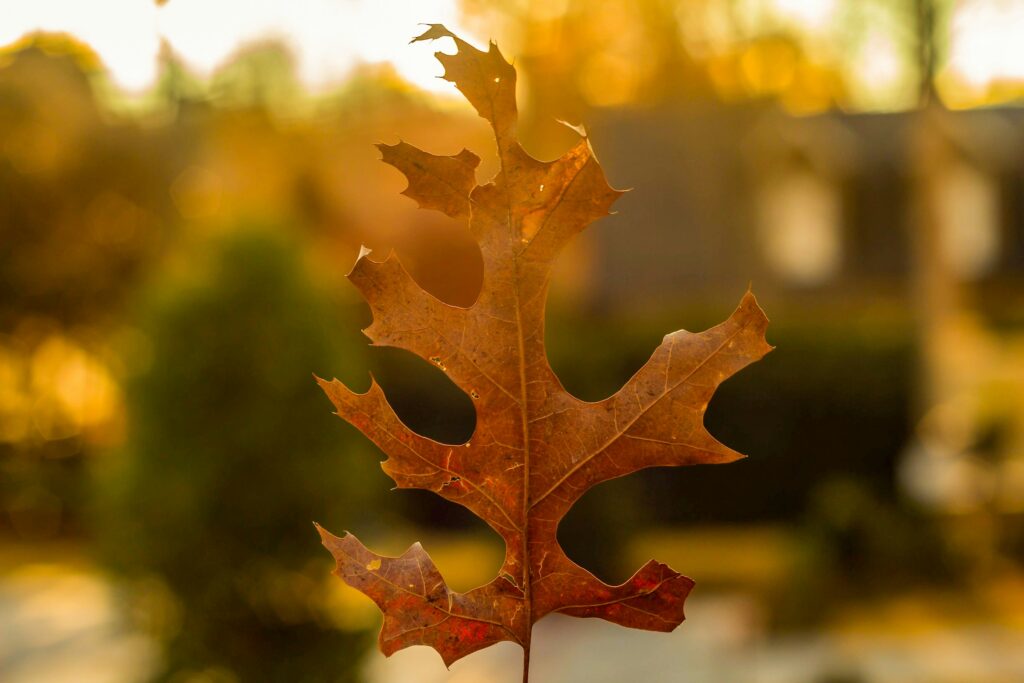
Fall: October and November
Fall is the window for getting two systems ready at once, and it is short. Durham’s first freeze usually lands in early November.
- Book a heating tune-up in October. On a heat pump, the technician tests the auxiliary heat strips that only run on cold nights. On a gas furnace, the visit includes a heat exchanger inspection for cracks that can leak carbon monoxide. On an oil furnace, it includes a new nozzle and filter and a burner adjustment.
- Test the carbon monoxide detector and replace its battery. Our CO services page explains why this matters in a home with gas or oil heat.
- Disconnect and drain the hoses, cover the outdoor spigots, and shut down the irrigation system.
- Flush sediment from the water heater, or ask us to.
- Have any slow drain cleared before the holidays fill the house.
- Clean the gutters after the leaves drop. Water that overflows a clogged gutter ends up in the crawl space.
Winter: December through February
Winter maintenance here is mostly about the cold nights, which arrive after mild days and catch pipes that were never insulated.
- The first winter you own the house, wrap any exposed pipe in the crawl space, the garage, or the attic with foam insulation. You will not have to think about it again.
- When the forecast shows the 20s, open cabinet doors under sinks on exterior walls, let a faucet drip at the far end of the house, and keep the thermostat at 55 or above even if you are away.
- Check the filter monthly; the system is still running, only in the other direction.
- If your home is on a well, confirm the heat lamp or insulation in the well house is working before the first hard freeze.
- Walk the house with a notebook and record the age of every system, from the water heater label to the outdoor unit nameplate. That list is the start of every budget for the house.
The habits that run all year
Some habits belong to every season. Change the filter on schedule. Grease stays out of the kitchen drain and wipes stay out of every toilet. Test the smoke and carbon monoxide detectors twice a year and replace them when they pass the date on the back. Keep an eye on the water bill; a jump with no change in the household is usually the first sign of a hidden leak. And keep a folder of service receipts, because many equipment warranties require them.
What to leave to a professional
Filters, hoses, spigot covers, thermostat settings, detectors, and looking are yours. Refrigerant, gas, high voltage, the heat exchanger, the inside of a water heater, and the well pump are ours, both for safety and because the tests that matter need equipment. The simplest way to keep the professional visits on the calendar is a maintenance plan. The VIP Club sends service reminders, takes up to 25 percent off any repair a visit finds, and puts members at the front of the line when the first heat wave or cold snap arrives, which for a new homeowner removes the hardest part of maintenance, which is remembering it.
Start with a baseline
Happy Home Services has been Durham’s trusted heating and air experts since 1955, and we are glad to help you learn your house. A good first step is a maintenance visit that establishes the age and condition of the heating and cooling system, followed by a plumbing look at the water heater and the crawl space. You can schedule online or reach us 24/7 by phone or website chat, and every visit comes with honest, upfront pricing with a 100% money-back guarantee.