

Ragweed Season Indoors: Three Layers That Keep Fall Allergens Out of Your Home’s Air
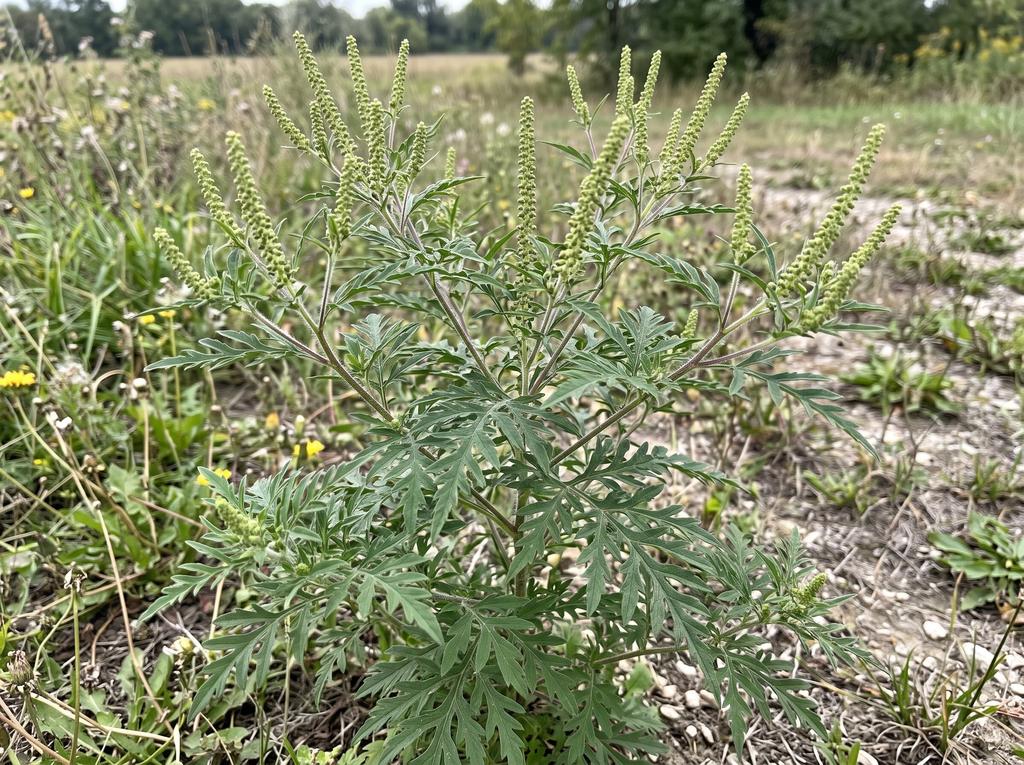
Keeping ragweed pollen out of a home’s air takes three layers working together: a filter that captures the fine grains, a purifier that works on what the filter passes, and humidity control that keeps the mold and dust mites that pile on in a damp Triangle fall from adding to the load. Ragweed releases pollen from late August until the first frost, which around Durham usually arrives in early November, and the grains are small enough to travel for miles and to slip through a low-grade filter. Most people spend the large majority of their time indoors, so the air inside decides how the season feels as much as the pollen count outside.
Each layer does a job the others cannot, and a household where fall is a yearly struggle usually has a gap in one of them.
Layer One: Capture
The filter is where the pollen that got inside leaves the air. Fiberglass filters pass nearly all of it. A pleated filter rated MERV 8 captures most pollen, and MERV 11 captures the finer grains, including ragweed, with little added airflow resistance on most systems. A media cabinet filter, four or five inches thick, captures more still and lasts months longer. Change the filter at the start of ragweed season, since the one that carried the summer is loaded with four months of cooling-season dust, and again before the heat comes on in late October.
The filter only works on air that passes through it, which is why the ducts matter. Return ducts in an attic or crawl space with open joints pull unfiltered air into the system, and dust that settled in the ductwork over summer gets redistributed every time the blower starts. A duct inspection shows whether the system is spreading allergens or removing them, and sealing a leaky return fixes the pollen problem and the humidity problem at once.
Layer Two: Purify
Filtration removes particles. Purification works on the fine particles, odors, and biological contaminants a filter passes. A whole-home air purifier installed in the duct system treats all of the air moving through it, in every room, whenever the blower runs, which during a warm Triangle September is most of the day. An in-duct air scrubber adds a second approach to contaminants on surfaces as well as in the air. For a household where fall allergies are a yearly event, purification is the layer most often missing, because the filter alone was never going to catch everything.
Layer Three: Dry
September and early October in Durham are warm and often damp, and indoor humidity above 50 percent keeps dust mites active and lets mold grow on surfaces that stay moist while the ragweed is still blowing. Those add to the allergen load in the air at the worst time. Keeping humidity inside the EPA’s recommended 30 to 50 percent range holds both in check. A whole-home dehumidifier manages the damp weeks when the air conditioner runs less and removes less moisture on its own, and in a home over a vented crawl space, which describes many older Durham houses, it keeps the moisture under the floor from rising into the house.
The Daily Habits That Help the Layers Work
- Keep windows closed in the morning, when ragweed counts are highest, even on the first pleasant mornings of the year.
- Change clothes and shower when you come in from outside, and keep pets off the bed during the peak weeks.
- Use a HEPA-filtered vacuum, and run bedding through a hot wash once a week.
- Run bathroom and kitchen exhaust fans to vent moisture, and watch the humidity reading on a hygrometer.
- Schedule the fall heating visit so airflow and filtration are performing as designed when the furnace takes over.
When the Season Ends
The first hard frost ends ragweed season, and the mild afternoons that follow are the time to open the windows and flush the house. Change the filter once more, since it carried the full season. A household that struggled through fall can use the quiet months to add the missing layer, since a purifier or a media cabinet installed over the winter is ready for the pine pollen that arrives in late March.
Getting Help With Your Home’s Air
Happy Home Services has served Durham and the Triangle since 1955, and our technicians recommend indoor air quality solutions built for your home and your household rather than a standard package, with honest, upfront pricing for each option. Every technician is background-checked and trained to find the gap in the three layers rather than sell all three. Schedule an assessment online any time or reach our team through 24/7 website chat, and we will help you get ahead of ragweed season.