
Smart Thermostat Features Ranked by Payoff in Durham, NC’s Two-Season Climate
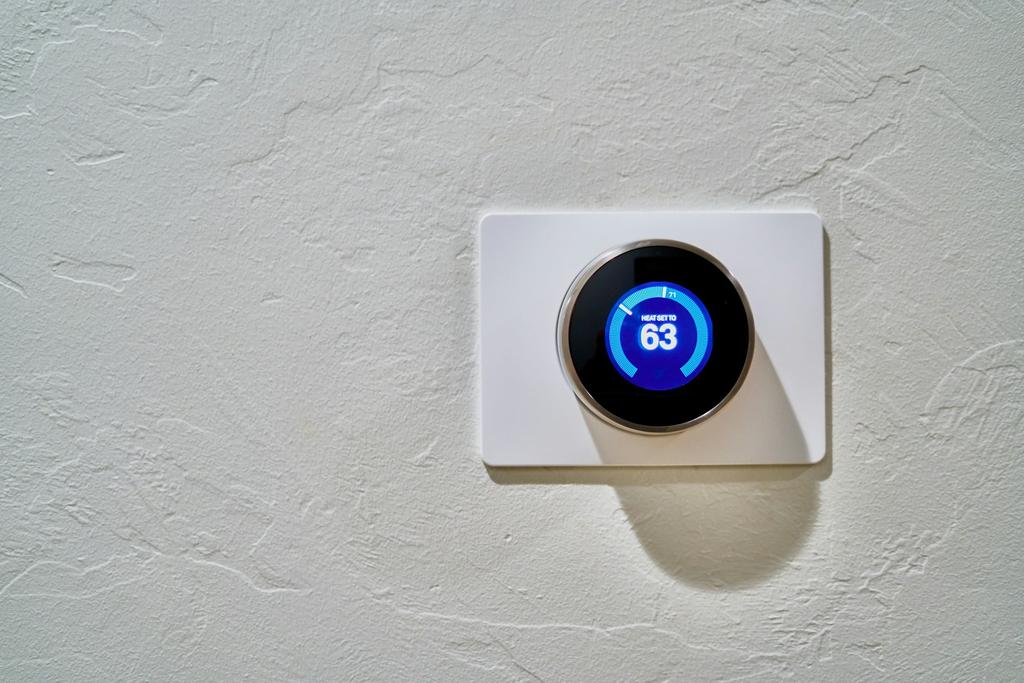
A smart thermostat is worth the upgrade in Durham for reasons that rank differently than they would in a milder climate. ENERGY STAR estimates that a certified smart thermostat saves about 8 percent on heating and cooling bills, and in the Triangle, with a full cooling season and a winter cold enough to run heat pump backup strips, both halves of that number matter. The features that pay off most here, in order, are backup heat management for heat pump homes, a schedule that runs itself through both seasons, a humidity readout for the summer, runtime alerts that catch problems early, and remote control for the days the schedule does not fit. The payoff depends on compatibility with your system and on a setup that matches the equipment.
A manual thermostat turns the system on and off at a set temperature. A smart one does the same job and adds everything below.
Backup Heat Management
Heat pumps are the most common heating system in the Triangle, and most include electric backup strips for the coldest nights, which cost several times more per hour than the heat pump itself. Durham winters, with January lows around 30 and several hard freezes, run those strips more than coastal Carolina ever does. A smart thermostat built for heat pumps manages when the strips come on, sets a balance point, and locks the strips out during mild weather, while a poorly configured thermostat calls for them every time the setting moves two degrees. For a Durham heat pump home, this feature alone can be the difference between a winter bill that drops and one that climbs.
A Schedule That Runs Itself
A thermostat setback of 7 to 10 degrees for eight hours a day saves as much as 10 percent a year on heating and cooling, according to the U.S. Department of Energy. The savings come from the hours the house is empty or asleep, and a manual thermostat delivers them only if someone remembers twice a day, every day, in both seasons. A smart thermostat runs the schedule, learns it from your adjustments if you prefer, and recovers gradually so the setback is invisible. Geofencing uses your phone’s location to lower the setting when the last person leaves and restore it before the first returns.
The Humidity Readout
In a Durham summer, how a house feels depends as much on humidity as on temperature, and a house at 76 degrees and 50 percent humidity feels better than one at 73 and 65 percent. A thermostat that displays humidity shows you which problem you have, and a reading that stays above 55 percent with the air conditioner running points to an oversized system, leaky returns, or a crawl space pumping moisture into the house. That is the number that tells you whether a whole-home dehumidifier belongs in the conversation.
Runtime Alerts and Reports
A smart thermostat logs how long the system runs each day and flags when runtime climbs to hold the same temperature, which is often the first sign of a refrigerant leak, a dirty coil, or a failing part, weeks before the house feels wrong. Filter reminders key off measured runtime instead of a calendar date. Monthly reports show where the heating and cooling dollars went. Catching a problem through an alert turns a breakdown into a scheduled repair.
Remote Control
The app lets you check and adjust the house from anywhere, which turns a forgotten setting on vacation into a thirty-second fix and lets you bring the house to temperature before you get home on a day the schedule did not predict. It ranks last here only because the first four save money without anyone touching the phone.
Compatibility Before You Buy
Most smart thermostats need a common wire, often called a C-wire, for steady power, and many older Durham installations do not have one. It also has to be the right thermostat for the equipment, whether that is single-stage or multi-stage, heat pump or furnace, conventional or dual fuel. Oil furnaces, common in older homes across Orange and Alamance counties, work with most smart thermostats as conventional heat. Some variable-speed systems perform best with the manufacturer’s own communicating thermostat. Zoned homes need a thermostat per zone, and most brands let several share one app.
Getting the Most Out of It
- Build your own schedule instead of keeping the factory defaults, which were written for a household that is not yours.
- Hold steady temperatures through long stretches instead of making frequent small changes.
- Raise the heat one degree at a time in winter on a heat pump, which avoids triggering the backup strips.
- Enable the filter reminders and runtime alerts, and follow through when they arrive.
- Use the Hold or Vacation setting for trips longer than two days.
Why Professional Setup Pays
The wiring on a smart thermostat is low-voltage work, and the configuration is what delivers the value. Your technician confirms the C-wire, identifies the equipment type and stages, sets the heat pump balance point and backup heat lockout, and runs the system through a full heating and cooling cycle before leaving. On a heat pump in Durham, that setup is the first-ranked feature above, and it does not configure itself. Happy Home Services has been Durham’s trusted heating and air experts since 1955, and our technicians install and program smart thermostats with honest, upfront pricing for the installation. Schedule online any time or reach our team through 24/7 website chat, and we will set it up to fit your system and your household.
Frequently Asked Questions
Does a smart thermostat save money on a gas furnace, or only on a heat pump?
Both. On a gas furnace the savings come from the schedule and the setback, which the Department of Energy puts at as much as 10 percent a year, and from runtime alerts that catch problems early. On a heat pump the backup heat management adds a second layer of savings on top. A dual fuel system benefits from both.
Can a smart thermostat control a whole-home humidifier or dehumidifier?
Many models can, through an accessory terminal that lets the thermostat run the humidifier in winter and the dehumidifier in summer based on its own humidity reading. That puts temperature and humidity on one schedule. Compatibility depends on the thermostat model and the equipment, which your technician confirms.
Are smart thermostats compatible with oil furnaces?
Yes. An oil furnace uses the same low-voltage thermostat wiring as a gas furnace, and a smart thermostat controls it as conventional heat. Homes that have added a heat pump alongside an oil furnace need a thermostat configured for dual fuel, which manages the handoff between the two.
What is the difference between a learning thermostat and a programmable one?
A programmable thermostat runs the schedule you enter. A learning thermostat watches your adjustments for a few weeks and builds a schedule from them, then keeps refining it. Both deliver the setback savings, and the learning version suits households with irregular routines, while the programmable version suits households that prefer to set the schedule once.
Does a smart thermostat work with zoning?
Yes, with one thermostat per zone connected to the zoning control panel, and most brands let several thermostats share a single app so each floor can be scheduled on its own. The zoning panel has to be compatible with the thermostat’s signals, which your technician confirms. Mixing brands across zones usually means separate apps.