
Spring in the Triangle certainly presents its own set of challenges. The pollen comes first, thick enough to turn cars and porches yellow. The humidity follows, the water table rises with the spring rains, and the first hot week tends to show up in May before anyone has thought about the air conditioner. Each of those changes asks something specific of a house, and this checklist is organized around them, so the reason behind each item is as clear as the item itself. Most of it takes an afternoon, and we are glad to handle the rest.
When the pollen arrives
Triangle pollen is heavy enough to matter to equipment, not only to allergies. It coats the outdoor coil and blocks the airflow the unit needs to shed heat, and it loads the indoor filter in weeks rather than months.
- Replace the filter now and check it every month through May, since a filter clogged with pollen is the most common reason a coil freezes in the first warm spell. Households with allergies may want to ask about a higher-grade filter or a whole-home air purifier while the season is at its worst.
- Once the heaviest pollen has passed, rinse the outdoor coil gently with a garden hose, from the inside out if the cabinet allows, and skip the pressure washer.
- Trim shrubs and rake pine straw two feet back from the outdoor unit on every side.
- Wipe the pollen off the return grilles inside the house, since what collects there is what the system pulls in next.
When the humidity returns
By late May the air in Durham holds enough moisture that the cooling system is drying the house as much as cooling it, and the parts that handle that moisture are the ones that fail in June.
- Check the drain pan beneath the indoor unit for standing water or a musty smell. The condensate line runs wet for six months here and clogs with algae, and spring is the last dry stretch to have it cleared and treated.
- If the air handler is in the attic, as many Triangle air handlers are, look at the ceiling beneath it for staining, which is how an overflowing pan announces itself.
- Switch the thermostat to cool, set it a few degrees below room temperature, and let the system run for twenty minutes. Cool air at the vents is the first test; a house that cools but still feels sticky is a coil or a charge that needs a technician.
- Run the bathroom fans and confirm they exhaust outdoors rather than into the attic, since a fan venting into the attic feeds the humidity that grows mold on the ductwork.
When the water table rises
Spring rain on Piedmont clay does not drain quickly, and the crawl spaces under many Durham homes hold water against the joists for weeks. The plumbing that runs through them is where a wet spring shows up.
- Take a flashlight under the house once this season and look for standing water, damp soil under a specific pipe run, fallen insulation, or rusted hangers. Dampness across the whole space is the water table; dampness under one pipe is a leak.
- If the space stays wet, a sump pump keeps it drier, and if one is already installed, lift the float or pour water into the pit to confirm it runs before the summer storms.
- Clean the gutters and make sure the downspouts carry water away from the foundation, since water that pools at the wall ends up under the house.
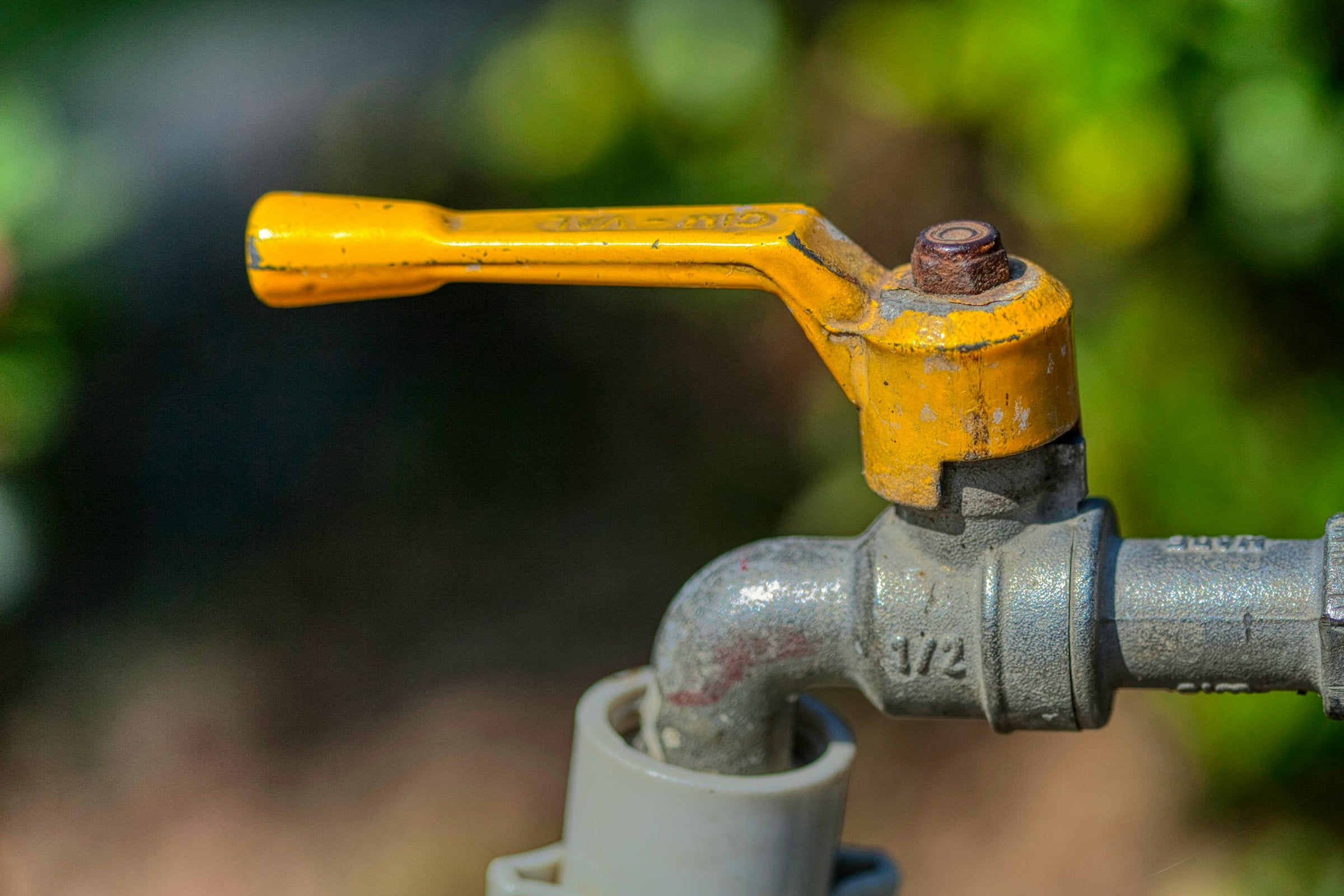
- Turn the outdoor spigots on and watch for drips at the handle or the wall, since a February freeze often splits a pipe that only shows itself when the water comes back on.
- If your home is on a well, as many are in Durham, Orange, Person, and Alamance counties, listen to the pump cycle. A pump that clicks on and off rapidly or runs longer than it used to is worth a well pump visit before the season.
Before the first hot week
The first heat wave in the Triangle tends to arrive in May, and it fills every schedule in the region on the same afternoon. The items below are the ones that keep your house off that list.
- Drain a few gallons from the water heater’s valve until the water runs clear, and find the manufacture date on the label. A tank past ten years deserves a plan rather than a surprise on a holiday weekend.
- Run each drain and watch it empty. A sink that drains slowly in April will stop in June when the house fills with guests, and clearing it now is a short visit.
- Give each shutoff valve under the sinks a quarter turn and back, so it does not seize before the day you need it.
- Book the spring tune-up. The items above tell you the systems run; the tune-up measures the refrigerant charge, tests the capacitor and contactor under load, cleans the coils, and clears the drain, and those are the readings that show whether the system will still be running in September.
The part we are glad to take
Happy Home Services has been Durham’s trusted heating and air experts since 1955, and the professional half of this list is what our maintenance visits are built around. Members of the Happy Home Service VIP Club receive priority, same-day service when the first hot week fills the phones and up to 25 percent off any repair the visit turns up. You can reach us 24/7 by phone or website chat, and every visit comes with honest, upfront pricing with a 100% money-back guarantee. Spring is short here, and a tune-up in April is easier by every measure than a repair in June.