

Where Summer Humidity Comes From in a North Carolina Home, Ranked by How Much It Adds
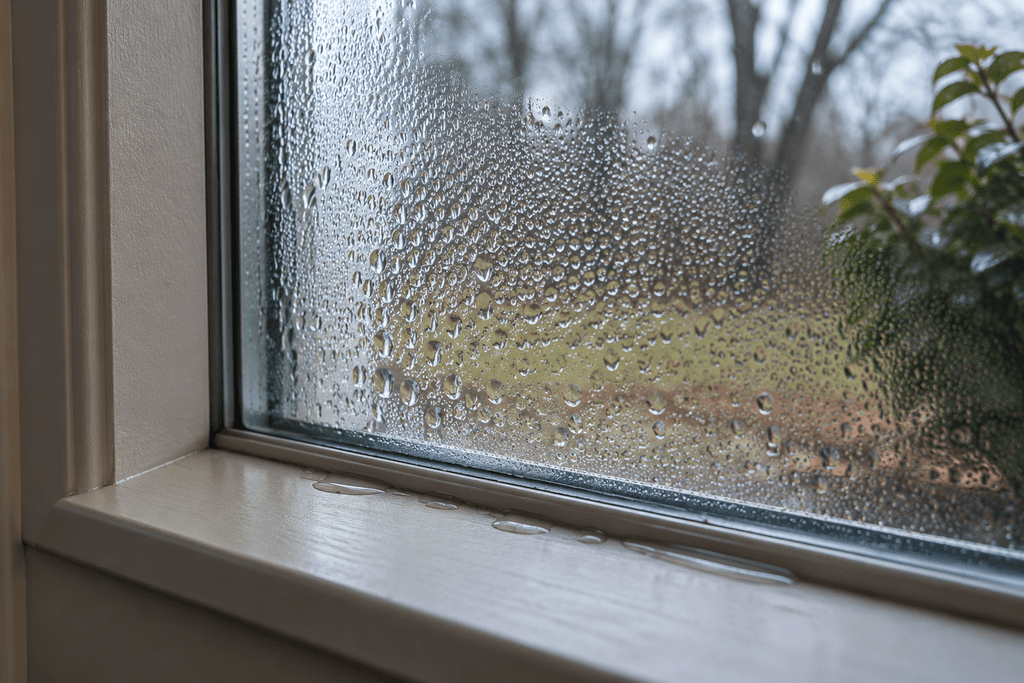
Summer humidity in a Durham home comes from five sources, and they do not contribute equally. Outdoor air leaking in through the house’s gaps adds the most. A vented crawl space pushing damp air up through the floor comes next. Leaky return ducts pulling humid attic or crawl space air into the system follow. An oversized air conditioner that cools the house before it dries it is fourth. And daily living, the showers, cooking, and laundry, adds the least, though it is the one most people blame. Ranking them matters because the fix for each is different, and the biggest sources are the ones nobody can see.
The EPA’s recommended indoor humidity range is 30 to 50 percent. Durham’s outdoor dew point sits in the 70s from June through September, which means every source on this list is carrying air far wetter than the house should hold, and the air conditioner is the only thing taking the moisture back out.
First: Infiltration
Humid outdoor air leaks in around doors, windows, attic hatches, recessed lights, and plumbing and wiring penetrations every time the air conditioner creates a slight pressure difference inside the house. Older Durham homes, from the bungalows of Trinity Park to the mill houses of East and West Durham, leak more than newer construction, but even a tight house exchanges air. Air sealing is the fix: weatherstripping, caulk, gaskets, and sealed penetrations. It is homeowner or insulation-contractor work rather than HVAC work, and it lowers the cooling bill at the same time.
Second: The Crawl Space
Many Durham homes sit over a vented crawl space, and in the Triangle’s summer that space pulls in humid outdoor air through its vents all season. The moisture condenses on cool ductwork and floor joists, wets the floor insulation until it sags, and rises into the house through gaps around pipes, wiring, and the floor itself. A musty smell near floor registers or in rooms over the crawl space is the sign. Encapsulating the crawl space with a vapor barrier and sealed vents is a separate contractor’s project. A whole-home dehumidifier sized for the crawl space controls the moisture directly, protects the ducts running through it, and works whether or not the space is encapsulated.
Third: Leaky Return Ducts
Return ducts in an attic or crawl space with open joints pull air from those spaces straight into the system, and that air is the most humid air on the property. The blower then pushes it into every room. ENERGY STAR estimates that a typical duct system loses 20 to 30 percent of its air through leaks and poor connections, and on the return side in a humid climate, the loss is a humidity pump as well as an efficiency loss. A duct inspection finds the open joints, and sealing them is one of the few fixes that lowers humidity, lowers the bill, and improves the air at once.
Fourth: An Oversized Air Conditioner
An air conditioner removes humidity as a side effect of cooling, and it needs long cycles to do it, because the coil has to stay cold and wet long enough for the moisture to drain. An oversized system cools the air quickly and shuts off before that happens, so the house ends up cool and clammy at the same time. Oversizing is common in homes where the replacement was sized from the old nameplate rather than a load calculation. The fixes are a correctly sized replacement with a two-stage or variable-speed compressor when the time comes, or a dehumidifier in the meantime so the thermostat can sit a few degrees higher.
Fifth: Daily Living
Showers, cooking, laundry, dishwashing, and the people and pets in the house add moisture, and this is the source most homeowners name first. It is the smallest on the list, and it is also the easiest to manage: run the bathroom exhaust fan during showers and for fifteen minutes after, run the kitchen fan while cooking, vent the dryer outside and keep its vent clear, and fix drips, since every damp spot is a mold starting point. Keep the thermostat fan on Auto rather than On, so the blower does not push moisture off the wet coil back into the house between cycles.
How to Tell Which Sources You Have
- A hygrometer reading above 55 percent with the air conditioner running means the system is losing the race, whatever the source.
- A musty smell at floor registers or rooms over the crawl space points to the crawl space.
- Humidity that climbs when the blower runs points to leaky returns.
- A house that is cold and clammy, with short cooling cycles, points to oversizing.
- Humidity that spikes after showers and settles quickly points to daily living, which is the easy case.
What High Humidity Costs
Sustained humidity above 60 percent gives mold the damp surfaces it needs on drywall, trim, and the back of furniture against exterior walls, and it keeps dust mites active. Wood doors swell and floors cup. The coil stays wet long enough for the drain line to clog. And the house costs more to cool, because the thermostat gets pushed down to chase a comfort that drier air would deliver at a higher setting.
Getting to the Source
Happy Home Services has been Durham’s trusted heating and air experts since 1955, and our technicians check the ducts, the crawl space conditions, the system’s sizing, and the house before recommending indoor air quality equipment, with honest, upfront pricing for each option. A humidity problem that another company treated with a bigger air conditioner is one of the complaints we hear most. Schedule an assessment online any time or reach our team through 24/7 website chat, and we will help you get a house that feels as cool as the thermostat says.
Frequently Asked Questions
What is a dew point and why does it matter for my house?
The dew point is the temperature at which air becomes saturated and moisture condenses out of it, and a high dew point means the air is carrying a lot of water regardless of the temperature. Durham’s summer dew points in the 70s mean any surface in the house cooler than that, including ductwork and the crawl space framing, will collect condensation. It is the number that decides how hard the air conditioner has to work to dry the house.
Does a variable-speed air conditioner control humidity better?
Yes. A variable-speed system runs long cycles at low output, which keeps the coil cold and wet for the time it takes to drain moisture out of the air, while a single-stage system cools quickly and shuts off. In a humid climate the difference is noticeable without any dehumidifier. Many variable-speed systems also include a dedicated dehumidification mode.
Do ceiling fans lower humidity?
No. Fans move air and make people feel cooler by evaporating moisture from skin, which is useful, but they do not remove any water from the air. A fan can let the thermostat sit higher comfortably, and a higher setting means shorter air conditioner cycles and less dehumidification, so fans and humidity control work best together with a dehumidifier.
Why does my basement or lower level feel damp when the upstairs is fine?
Cool air sinks and holds less moisture, so the lowest level of the house has the highest relative humidity even at the same moisture content, and below-grade walls and floors add moisture of their own. Supply air also reaches the lowest level last in many systems. A dehumidifier dedicated to the lower level, or a zoned approach, usually solves it.
Can a dehumidifier run instead of the air conditioner in mild weather?
Yes, and the shoulder seasons are when it earns the most. On a 72-degree, rainy May day the air conditioner barely runs and removes almost no moisture, while a whole-home dehumidifier holds the house at 50 percent on its own. It uses far less energy than running the air conditioner at a lower setting just to dry the air.