

Sump Pump Care Guide: What to Do Monthly, Each Season, and Every Year
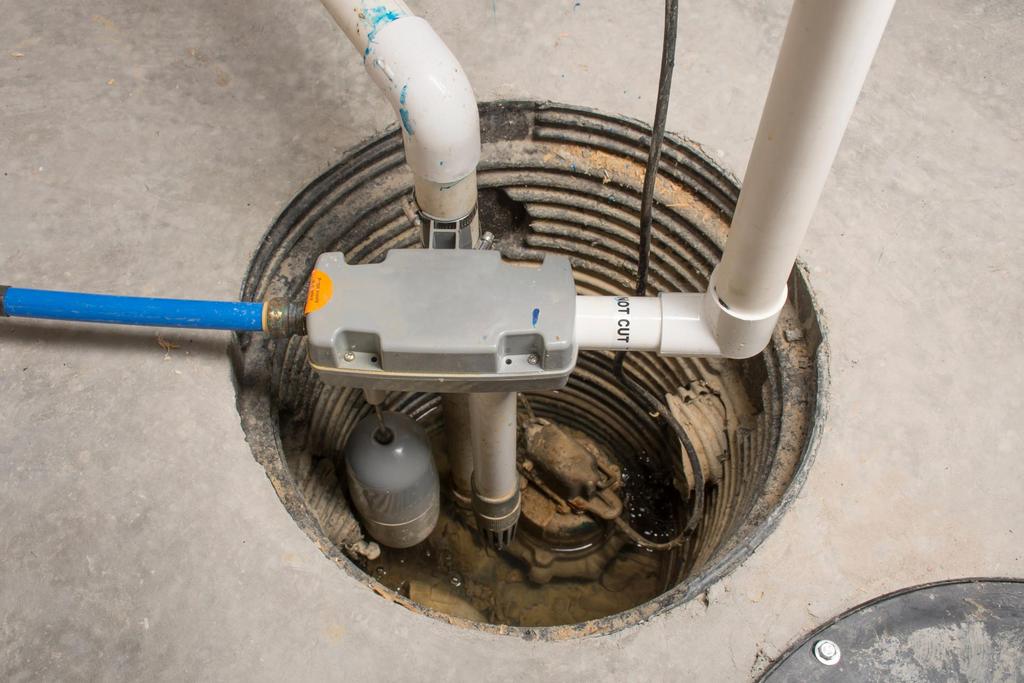
A sump pump needs three levels of attention: a few minutes every month to confirm it runs, a check each season of the pit and the discharge line, and a professional look once a year at the pump, the check valve, the float, and the backup. Durham’s red clay holds water near the surface long after a rain, so a pump here runs more than one in sandy soil, and the thunderstorms and ice storms that flood a basement or crawl space are the same ones that take down the power. A pump with no electricity is a bucket, which is why the yearly look includes a battery or water-powered backup.
Sump pumps protect the basements of Durham’s older homes in Trinity Park, Duke Park, and Forest Hills and the crawl spaces of most everything else, and they are one of Happy Home’s documented specialties. Here is the schedule.
Every Month: Confirm It Runs
Lift the pit cover and pour in a bucket or two of water, slowly, until the float rises. You should hear the pump start, see the pit empty, and hear it shut off without any help. A float that catches on the pit wall, a pump that hums but moves no water, or a pump that keeps running with the pit empty are the three failures to watch for. Listen for the check valve, which should thud closed after each cycle. Water running back into the pit after the pump stops means the valve has failed. Five minutes a month catches most failures before the storm does.
Every Season: The Pit and the Discharge Line
Clear the pit. Silt, gravel, and small objects collect at the bottom and can block the intake or wedge under the float so the switch never lifts. Confirm the float moves through its full range.
Walk the discharge line outside. It should carry water at least ten feet from the foundation and release it where the ground slopes away. A line that ends at the foundation sends the water back under the house, and a line buried in mulch or crushed by a mower blocks the pump against a closed pipe. In Durham’s winters, with hard freezes every year, an exposed discharge line can freeze solid, and a pump running against a frozen pipe burns itself out. A freeze-relief fitting near the house gives the water a way out if the line ices.
Check the pit cover. A sealed cover keeps debris, pets, and children out, reduces humidity and odor in the basement or crawl space, and keeps soil gases from entering through the pit.
Every Year: The Professional Look
A yearly service inspects the pump’s impeller and motor, tests the float switch and check valve, measures how fast the pump empties the pit against how fast water enters it during a heavy rain, and confirms the discharge line’s full run. A pump that runs constantly in dry weather points to a high water table, a leaking supply line, or a discharge that returns water to the pit. A pump that cycles on and off rapidly points to a float set too close to the pump or a leaking check valve. Residential pumps last seven to ten years, and the yearly look is when a pump near the end of its life gets replaced on a dry day rather than during the storm. Our sump pump service covers all of it.
The Backup: Battery or Water-Powered
Most sump pump failures during a storm are power failures, and in Durham the storms that flood a crawl space are the ones that drop limbs on lines. A battery backup pump sits in the same pit and runs for several hours of intermittent pumping when the power fails, which covers a typical thunderstorm outage. Plan on a new deep-cycle battery every few years, and confirm the charger reads full before storm season. A water-powered backup pump uses municipal water pressure to move pit water through a venturi and needs no electricity or battery at all, which makes it the longer-lasting option for a home on city water with a basement that cannot be allowed to flood. It uses water while it runs, so it suits homes where outages are long and the stakes are high. Our plumbers install both types and size them to the pit.
Signs the Pump Needs Attention Now
- It runs constantly in dry weather.
- It makes grinding, rattling, or screeching sounds.
- It cycles on and off every few minutes.
- It is more than seven to ten years old.
- Rust on the housing, a damaged cord, or a tripped breaker on its circuit.
- The pit smells, which points to standing water, debris, or a pump that does not fully empty the basin.
Why Durham Pumps Work Harder
Red clay drains slowly, so a crawl space or basement here collects water for a day or two after every significant rain, and a pump that runs through the day after a storm is doing what the soil requires. Summer thunderstorms drop two or three inches in an hour, which fills a pit faster than a small pump empties it, and that is the measurement the yearly service makes. Homes near creeks or at the bottom of a slope see the most water, and homes with drain tile around the foundation feed the pit from every side.
Keeping the Water Out
Happy Home Services has been Durham’s trusted heating and air experts since 1955, and sump pumps are one of the plumbing services we are known for, from the monthly test you do yourself to the pump, check valve, float, and backup we inspect and replace, with honest, upfront pricing before any work. Members of our Happy Home Service VIP Club receive priority scheduling when a storm fills the calendar and pay no overtime charges for after-hours calls, which is when sump pumps fail. Schedule online any time or reach our team through 24/7 website chat, and we will help you keep your basement or crawl space dry when it counts.
Frequently Asked Questions
Why does my sump pump run every few minutes in winter?
Winter rains in Durham soak clay that stays saturated for weeks, and a high water table keeps feeding the pit long after the rain stops, so frequent cycling in a wet winter can be normal. Cycling that continues through a dry stretch points to a leaking check valve sending water back into the pit, a float set too low, or a supply line leak. The yearly service sorts out which.
Can a sump pump be installed in a home that never had one?
Yes. A plumber digs a pit at the lowest point of the basement or crawl space, sets a basin, installs the pump and check valve, and runs a discharge line outside with a freeze-relief fitting. Homes that have flooded once are the usual candidates, and adding drain tile along the foundation to feed the pit is part of the design where water enters from several sides.
Where should the discharge go in a yard with clay soil?
At least ten feet from the foundation, onto ground that slopes away from the house, and never onto a neighbor’s property or into the sanitary sewer. In clay, the water pools where it lands, so a splash block or a buried line to a dry well or a storm drain, where the jurisdiction allows it, keeps the discharge from forming a puddle that drains right back toward the pit.
How do I know if my check valve is bad?
Listen after the pump shuts off. A healthy valve thuds closed and the pit stays at its low level. A failed valve lets the water in the discharge pipe run back into the pit, which you can hear as a trickle and see as the pit level rising without rain. The pump then cycles again to move the same water, which wears it out early.
What is a water-powered backup sump pump?
A backup pump that uses the pressure of the home’s municipal water supply to create suction through a venturi and lift pit water out, with no electricity, motor, or battery. It runs for as long as the city water is on, which makes it the backup for long outages. It uses roughly a gallon of city water for every two gallons it pumps, so it is a backup for emergencies rather than a primary pump.