

Putting off a plumbing repair feels like saving money, and we understand the instinct. The drip is small, the month is busy, and the pipe is still holding. The trouble is that the money is not saved in the long term. It is spent later, in a larger amount, when a system failure occurs and results in damage to the property. This post adds up where that money goes in a Durham home so you can weigh the cost of fixing something this month against what it tends to cost once it forces the issue.
Water you pay for and never use
The first cost shows up on the utility bill the same month the problem starts. According to the Environmental Protection Agency, a toilet with a worn flapper can waste up to 200 gallons a day, and a faucet dripping once a second wastes about 3,000 gallons over a year. A hidden supply leak wastes more, around the clock. On a well, the cost is just as steady: a leak keeps the pump cycling to hold pressure, which runs up the electric bill and wears out a pump that would otherwise have years left.
Everything around the pipe
The largest cost of waiting is rarely the pipe; it is the building around it. A leak inside a wall cavity soaks the drywall, then the insulation, then the framing behind them. A leak under a floor swells the subfloor and lifts whatever flooring sits on top. Water from a supply line in the crawl space soaks into clay that holds it against the joists for weeks. Done early, the repair replaces a fitting or a short section of pipe. Done late, it replaces the fitting and then rebuilds whatever the water ruined, and that second bill goes to a contractor rather than a plumber.
What it does to the air
In the Triangle’s humidity, a wet wall cavity or a damp crawl space grows mold within days, and the mold does not leave when the leak is fixed. It has to be removed, and remediation is its own trade with its own invoice. A damp crawl space also feeds moisture into the ductwork that runs through it, which is why a leak under the house often shows up as a musty smell upstairs. For a household with asthma, allergies, or small children, living with that for months is a cost felt every day.
Framing, and what moves in
Left long enough, water damage becomes structural. Framing that stays wet softens, and a floor that has been wet for a season develops the soft spots you notice underfoot. In this region, damp wood also attracts subterranean termites. A crawl space leak that would have been a short visit in March can, by the following spring, involve a plumber, a pest company, and a carpenter.
The timing you do not get to choose
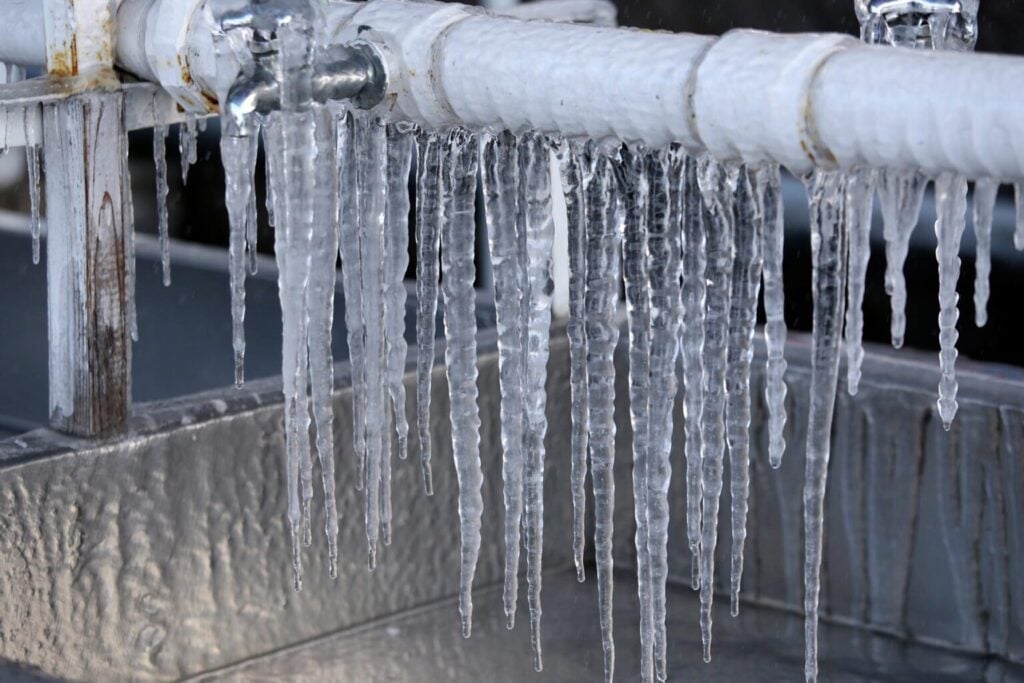
A repair that waits until it fails picks its own moment, and the moment is rarely convenient. A pipe bursts on a freezing night in January. A water heater gives out the morning of a holiday. A drain backs up while the house is full of guests. After-hours and weekend service costs more across the trade because the work happens outside normal hours, and an emergency also takes away your chance to compare options or schedule around your week. Members of the VIP Club pay no overtime charges for after-hours or weekend calls and 50 percent off the minimum service fee, which takes some of the sting out of bad timing, but the calmer path is still the repair that happens before the emergency does.
The coverage that may not be there
Homeowners often assume insurance will cover water damage, and for sudden events such as a burst pipe, many policies do. What many policies exclude is damage from a leak that developed gradually over weeks or months, which is exactly what a postponed repair becomes. A claim for a wall ruined by a slow drip under a sink is often denied as deferred maintenance, and mold coverage is frequently limited. In practice, the longer a repair waits, the more of the resulting damage shifts from the insurer to you. This is general information rather than advice about your policy; your own documents are what count.
Signs that should not wait
- Water anywhere it should not be, including a stain that is growing on a ceiling or wall.
- A water bill that jumped with no change in the household, or a well pump that runs when nothing is on.
- A musty smell that does not go away when you clean.
- A drain that backs up instead of just running slow.
- A water heater past ten years that is rumbling or has moisture at its base.
- Water pressure that dropped suddenly.
Any of these means the costs above have already begun to tally up. Professional leak detection finds a hidden leak before a wall has to come down, and drain clearing opens a line before it backs up into the house.
What a planned repair looks like instead
A repair made when the problem is first noticed is a scheduled visit on a day you chose, with prices laid out before any work begins. No contractor is involved, no remediation company, no adjuster, and no rebuilt wall. The plumber fixes the pipe or the fixture, and the week goes on. That is the bill you get to have by acting early, and it is the smaller one by a wide margin.
We are glad to get ahead of it with you
Happy Home Services has served the Triangle since 1955 with honest, upfront pricing with a 100% money-back guarantee. If there is a plumbing problem you have been meaning to deal with, reach us 24/7 by phone or website chat. If it has already become urgent, our emergency plumbing page is the fastest way to request service. Whichever it is, the repair will cost less this week than it will next month.