

Water-Saving Plumbing Upgrades for North Carolina Homes, Ranked
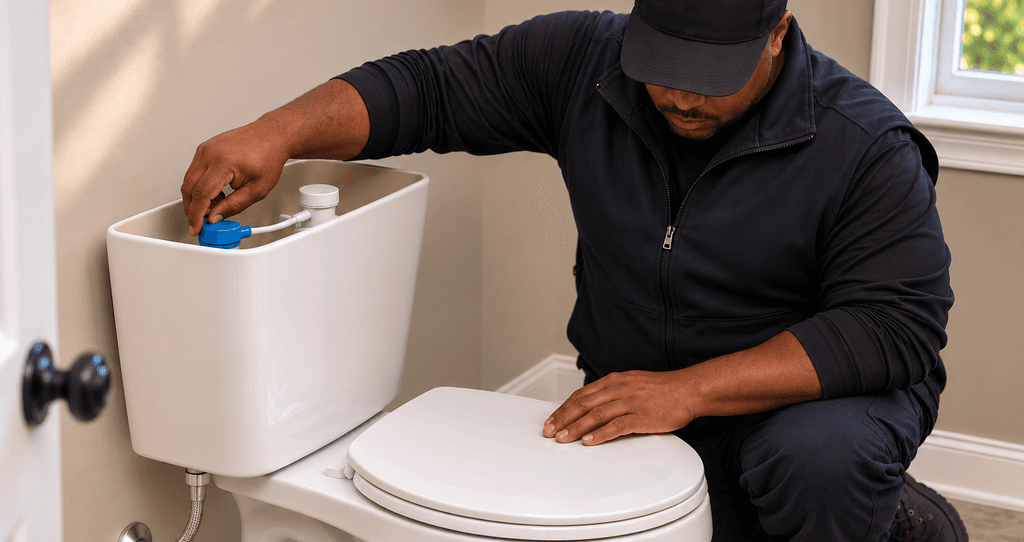
The plumbing upgrades that save the most water in a Durham home rank in a clear order. Fixing leaks comes first, because a single running toilet wastes more than every fixture upgrade saves. Replacing toilets from before the mid-1990s comes second, because toilets use more water than any other indoor fixture. WaterSense showerheads come third, with the added benefit of lowering the water heating bill. Faucet aerators, a well-used dishwasher, cold-water laundry, and irrigation timing follow.
Durham homeowners have a reason to take the list seriously: the 2007 drought drew the city’s reservoirs down to a few weeks of supply and brought restrictions that many households still remember. Durham’s reservoirs fell to critical levels in late 2007, the city imposed its strictest restrictions, and households that already used less water felt them far less. A home that has worked through this list uses less on every ordinary day, and when the next dry year brings restrictions, the difference between a household that can live within them and one that struggles is the toilets, the showerheads, and the leaks that were fixed years earlier.
Every room uses more water in summer, and irrigation adds to all of it, which is why a July or August bill is where an upgrade first becomes visible. Here is the list in order.
#1: Find and Fix Leaks
The EPA estimates that the average household’s leaks waste nearly 10,000 gallons a year, and a toilet flapper that seeps around the clock can account for most of that by itself. Put a few drops of food coloring in each toilet tank, wait fifteen minutes, and look for color in the bowl. Fix dripping faucets, since the EPA puts a one-drip-per-second leak at over 3,000 gallons a year. Watch the water meter with everything off, and if it moves, leak detection finds the hidden one. A whole-home leak detection system that monitors the main line and alerts your phone catches the next one before the bill does.
#2: Replace Old Toilets
The EPA notes that a toilet from before 1994 may send as much as six gallons down with every flush, against a federal standard today of 1.6 and a WaterSense rating of 1.28 or less. An older Durham home with two or three of its original toilets is throwing away more water there than anywhere else in the house, and the current generation of low-volume toilets clears the bowl reliably, unlike some of the earliest low-flow models. Start with the toilet that runs between flushes or has gone through several flappers, and our bathroom plumbing service handles the replacement.
#3: WaterSense Showerheads
Standard showerheads flow at 2.5 gallons per minute. WaterSense-labeled heads are capped at 2.0 and have to pass spray force and coverage tests to earn the label, so they do not feel like a compromise. Because showers draw mostly hot water, the swap trims the water heating bill along with the water bill, and it is a ten-minute job that touches nothing behind the wall.
#4: Faucet Aerators and the Kitchen
Bathroom faucets flow at 2.2 gallons per minute as standard and 1.5 with a WaterSense aerator, a part that screws onto the spout in a minute, and a kitchen aerator cuts flow without slowing how a pot fills. Let the dishwasher do its job without a pre-rinse and only when full, since a modern dishwasher beats hand rinsing on water use. A kitchen at the far end of the house from the water heater runs a lot of cold water down the drain waiting for hot, and a recirculation loop that keeps hot water near the tap solves that, especially when it goes in alongside a new water heater. Our kitchen plumbing service covers the fixtures and the lines.
#5: The Laundry and the Water Heater
Swap rubber washing machine hoses for braided stainless steel before one bursts, and move most loads to cold water, which cleans everything short of heavily soiled work clothes and gives the water heater the hours off. Set the heater to the 120 degrees the U.S. Department of Energy recommends, and have the tank flushed each year, since a layer of sediment makes it burn more energy for the same hot water. Our water heater flush service covers that, and a tankless water heater paired with recirculation ends the habit of running the tap while a cold line clears.
#6: The Yard
Outdoors, the sprinklers use more than anything else, and when they run matters as much as how long. A pre-dawn cycle loses the least to evaporation, a rain sensor on the controller skips the days that do not need it, and a cracked head or line leaks every time the zone runs. Any home with an irrigation system also has a backflow preventer, and the utility expects it to pass backflow testing on its schedule so irrigation water cannot reach the drinking supply. A hose bib that drips all summer is a leak like any other, and an easy one to fix.
Water Quality Upgrades
Durham’s municipal water is on the softer side, so heavy mineral scale in a Durham home usually points to a well, and homes across rural Durham, Orange, and Alamance counties on wells see the most. A water softener stops scale from clogging aerators, showerheads, and the water heater, and a filtration system addresses sediment, taste, and odor. Neither cuts the gallons directly, but both keep every water-using fixture working at the efficiency it was designed for.
Choosing What to Do First
In an older home with its original toilets, the toilets are the place to start. A newer home with WaterSense fixtures already in place gains the most from leak detection and irrigation timing. Happy Home Services has been Durham’s trusted heating and air experts since 1955, and our plumbers start a water-saving visit by looking at the fixtures, the pressure, and the water quality already in the house, then recommend only what fits, with honest, upfront pricing for each item. Schedule a plumbing visit online any time or reach our team through 24/7 website chat, and we will help you cut the water bill without touching your comfort.
Frequently Asked Questions
How much water does a running toilet waste?
A toilet with a worn flapper that seeps continuously can waste hundreds of gallons a day, which is why the EPA’s leak estimates are dominated by toilets. The food coloring test takes fifteen minutes and finds it. The repair, a new flapper or fill valve, takes a few minutes and often solves a high bill by itself.
Are dual-flush toilets worth it?
They save water in households where the lighter flush gets used, and WaterSense dual-flush models are rated on the average of the two flushes. A WaterSense single-flush toilet at 1.28 gallons saves nearly as much without anyone having to choose. Either is a large step down from a pre-1994 toilet.
Does a high-efficiency washing machine save enough water to matter?
Yes. A front-loading or high-efficiency top-loading washer uses a fraction of the water of an agitator model per load, and laundry is one of the largest indoor uses after toilets and showers. It also spins clothes drier, which shortens dryer time. When the old washer fails, the replacement is a water upgrade as well as an appliance.
Can I use rainwater for irrigation in Durham?
Yes. Rain barrels and cisterns collect roof runoff for irrigation and are permitted for non-potable outdoor use, and Durham’s rainfall fills a barrel from a single storm. A barrel offsets a portion of summer irrigation and keeps watering going during restrictions that limit tap water use outdoors. Keep the barrel screened against mosquitoes.
Which water-saving upgrade costs the least for the biggest return?
Fixing a leaking toilet flapper, which costs a few dollars in parts and can save more water than every other item on the list combined. After that, a WaterSense showerhead and faucet aerators cost little and save water and heating energy daily. The toilet replacement saves the most but costs the most upfront.