

Winter Indoor Air Quality in the Triangle: What Helps Combustion, Dust, and Dryness
Indoor air quality drops in winter because the house stays closed, the appliances that burn fuel run for months, and the air dries out. In the Triangle that stretch runs from November into March, long enough for combustion gases, dust, dander, and dryness to build into the air people breathe for most of each day. The fixes are an inspected furnace and a working carbon monoxide alarm, filtration and purification that keep up with a sealed house, humidity held in range, and a few habits that give the air a way out. None of them are expensive against the alternative of living with the air.
Indoor levels of some pollutants run two to five times higher than outdoor levels, according to the EPA, and the gap grows when ventilation drops. Here is what changes in a Triangle winter and what to do about each part of it.
Combustion: Furnaces, Fireplaces, and Wood Stoves
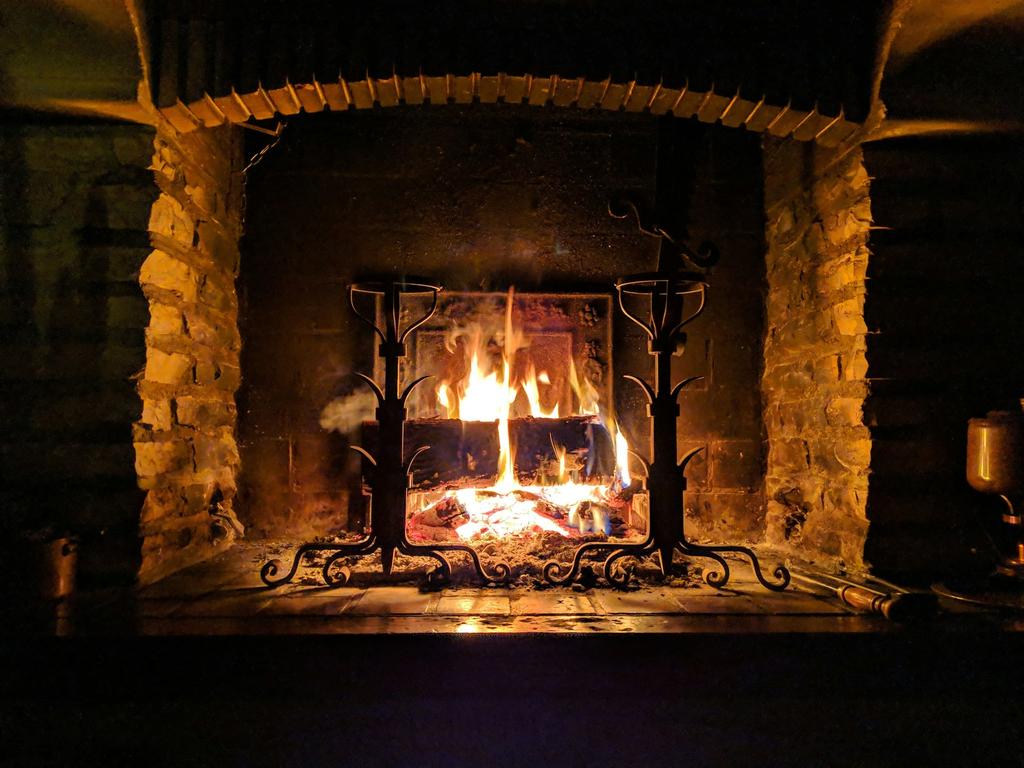
Any appliance that burns fuel produces carbon monoxide, and winter is when they all run at once. A gas furnace or a gas water heater vents its combustion gases outside through a flue, and a cracked heat exchanger or a blocked vent lets some of them into the house. Older homes outside the gas mains in northern Durham, Orange, and Alamance counties often heat with oil furnaces, which burn less cleanly and need annual burner cleaning. Fireplaces and wood stoves, common in homes across the Triangle, add smoke and gases when a damper does not seal or a chimney has not been cleaned. A furnace tune-up before the season covers the heat exchanger, burners, and venting, and carbon monoxide detection on every level is the backup for everything an inspection cannot predict. A gas oven or an unvented fuel-burning heater should never be used to heat a room.
Particles: Dust, Dander, and Ash
Dust, pet dander, pollen tracked in from fall, mold spores from a damp crawl space, and ash from a fireplace all build up faster in a closed house, and the furnace moves every bit of air in the house through the filter several times a day. A filter that was fine in October may be loaded by Christmas, and a loaded filter stops capturing and starts pushing air around its edges. A pleated filter rated MERV 8 to 11 handles most winter particles, and a whole-home air purifier in the ductwork works on the fine particles and odors a filter passes, which matters most in a home with a wood stove or pets.
The ducts themselves hold dust that settled over the summer, and leaky return ducts in a crawl space pull damp, musty air into the system all winter. Sealing and repairing them keeps the furnace from redistributing what it should be removing.
Dryness
Cold outdoor air holds little moisture, and when it leaks in and gets heated, the relative humidity inside drops hard. The EPA recommends 30 to 50 percent, and a heated Triangle home without humidity control spends weeks below that. In dry air, dust and dander hang in the air longer, static builds, and a 70-degree room feels colder than the thermostat says. Sealing air leaks keeps dry air out, and a whole-home humidifier adds moisture back through the ductwork and holds the level you set.
Ventilation
A closed house needs a way to exchange air. Run the kitchen exhaust fan while cooking, especially on a gas range, and the bathroom fans during and after showers. The Triangle gets mild afternoons in the 50s and 60s most winter weeks, and opening windows for twenty minutes on those days does more for the air than any device. The rest of the time, the HVAC filter is the only thing removing particles, which is why its condition matters more in January than in April.
A Winter Air List
- Change the filter before the first heating cycle and check it again in January.
- Have the furnace inspected before the season, including the heat exchanger, burners, and venting.
- Test carbon monoxide and smoke alarms and replace batteries and expired units.
- Have the chimney and the wood stove flue inspected before the first fire.
- Run exhaust fans while cooking and showering, and open windows on mild afternoons.
- Keep indoor humidity between 30 and 50 percent and check it with a hygrometer.
- Store paints, solvents, and pesticides outside the living space.
When the Habits Are Not Enough
If the house still feels stuffy with those steps in place, or someone notices symptoms indoors that ease outside, the system itself is part of the problem: a filter passing fine particles, ducts redistributing dust, a return pulling crawl space air, or humidity that will not hold. Whole-home indoor air quality equipment addresses those causes at the system level rather than room by room.
Getting Your Home’s Air Looked At
Happy Home Services has served Durham and the Triangle since 1955, and our technicians evaluate what your specific home needs rather than recommending a one-size-fits-all fix, with honest, upfront pricing for each option. Members of our Happy Home Service VIP Club get the fall heating visit scheduled with a reminder, so the combustion check happens before the house closes up. Schedule online any time or reach our team through 24/7 website chat, and we will help you breathe easier this winter.