
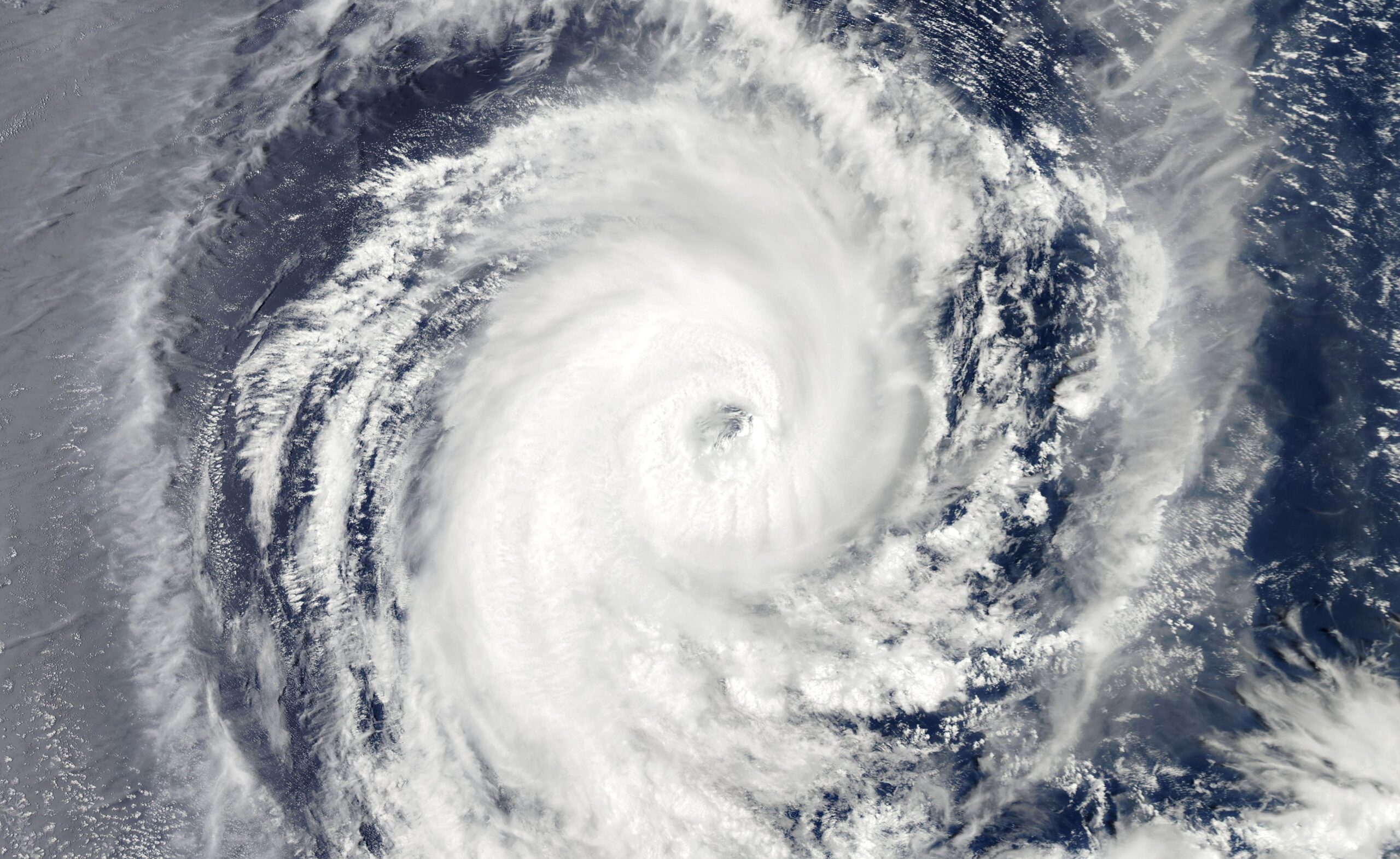
Durham sits a long way from the coast, and most tropical systems arrive here as rain and a stiff wind. Then there was Fran, which crossed the Triangle in September 1996 with hurricane-force winds still intact. It put trees through roofs across Durham and Raleigh and left large parts of the region without power for the better part of a week. Every hurricane season since, Fran has been the storm homeowners here measure against. It taught three lessons that still organize a good checklist: the trees come down, the water comes up, and the power stays off. Here is how to prepare for each before June.
Lesson one: the trees come down
Fran’s damage in the Triangle was mostly trees, because the region’s oaks and pines, standing in clay that a wet week had saturated, came down in numbers nobody had seen. They took roofs, power lines, and outdoor equipment with them, and the pattern has repeated on a smaller scale in every tropical system since. The preparation is simple and belongs in June, when tree services have room on the calendar: have limbs that overhang the roof, the outdoor unit, or the service line trimmed. Confirm the outdoor unit is anchored to its pad, and know what you will bring in or tie down when a storm is named, since patio furniture and grills become projectiles in 60-mile-per-hour wind.
Lesson two: the water comes up
A tropical system in the Piedmont drops rain by the foot, and Durham’s clay does not drain it. Water that would run off elsewhere pushes up from below into crawl spaces, and homes nowhere near a creek find inches of it under the floor. Floyd in 1999, Matthew in 2016, and Florence in 2018 each made the point again. The preparation is mostly about the crawl space and drainage.
- Test the sump pump by lifting the float or pouring water into the pit, and if it has no battery backup, arrange one before the season, because the storm that fills the crawl space is the storm that cuts the pump’s power, and our sump pump team handles both.
- Clear the gutters and confirm the downspouts and yard drainage carry water away from the foundation, since water pooling at the wall ends up under the house.
- Look at what sits in the crawl space, including the water heater and the air handler, and if the space has taken water before, plan for it to do so again.
- If your home is on a well, know that a flooded well head can contaminate the water, and plan on bottled water for drinking until the well can be tested after any flooding.
- Find the main water shutoff and confirm it turns, so a supply line broken by debris can be closed quickly.
Lesson three: the power stays off
Fran’s outage lasted days across the Triangle, and the July 2026 outage that left tens of thousands of Duke Energy customers dark showed that a long outage still arrives here. An inland storm’s damage is spread across thousands of square miles of trees on lines, which is why restoration takes longer than the storm. For a Durham home that means the cooling stops in a September heat wave, the sump pump stops while the crawl space fills, the electric water heater goes cold, and when the power returns it comes back in flickers that burn out capacitors and control boards.
The preparation has two levels. The household level is supplies: water, shelf-stable food, flashlights, battery banks, medication, and cash, plus a refrigerator and freezer set a little colder before the storm so they hold longer. The equipment level is a decision about backup power. If you rely on a portable generator, plan now where it will run, outdoors and well away from windows and doors.
The systems themselves
A storm is hard on equipment that was already marginal, and a system that limps through May fails in the week after a hurricane when every company in the Triangle is booked. A cooling tune-up before the season means the capacitor, the contactor, and the drain have been checked, so a restoration surge or a week of humidity has less to work on. A look at the water heater’s age matters too, since an old tank in a crawl space that floods is a replacement waiting for a storm to schedule it. Members of the Happy Home Service VIP Club receive priority, same-day service, which matters most in the week after a storm.
When a storm is named
- Bring in or tie down what can move, and unplug electronics you do not need, since restoration surges take out televisions and control boards across the region.
- Set the thermostat where you want it and leave it, so the house starts any outage cool and dry.
- Fill containers with water in case the well pump or the municipal supply is affected, and charge every phone and battery bank.
- Photograph the major systems and each room, so any insurance claim afterward has a before picture.
When the storm has passed, preparation turns into assessment. Our post-hurricane checklist covers how to look at the house from the yard inward, and our post on what to check after the power comes back covers restoration.
Getting ready before the first named storm
Happy Home has been Durham’s trusted heating and air experts since 1955 and worked through Fran, Floyd, Matthew, and Florence. If the cooling system, the sump pump, or the water heater on this list needs a visit, reach us 24/7 by phone or website chat. Our expert technicians solve the issues others can’t, and every visit comes with honest, upfront pricing with a 100% money-back guarantee.